You want to capture your neighbors’ stories but don’t know where to start. The best community podcast ideas are simple: interview local people, keep a steady rhythm, and record in a quiet space.
This guide is part of our wider collection of community stories, which looks at how local voices get heard.
| Item | Value |
|---|---|
| Interviewers and guests per episode at Milton | one to two interviewers and one to three guests |
| Trained staff able to lead the Milton Public Library podcast | four staff members |
| Episodes to keep consistent before changing style | three to five episodes |
| Editing passes recommended | three (rough edit, clean-up, polish) |
| Microphones recommended | one per person |
| Milton Public Library publishing rhythm | monthly |
These figures come from a post by Milton Public Library staff, published by the Urban Libraries Council. They describe one library’s experience and can change, so check the source before you rely on them.
Why a local podcast suits community stories
A podcast lets people hear a neighbor’s voice, pauses and laughter included, which a written profile can’t fully carry. It also asks very little of the guest: they talk, and you do the shaping afterwards.
Milton Public Library’s team set out to “connect with the community in a way that was engaging and exciting,” according to the Urban Libraries Council post. That aim works for any local group, whether you run a club, a residents’ association or just a keen microphone at the kitchen table.
This site is independent and educational. It names the library only as a neutral example and has no connection to it.
Community podcast ideas worth trying
The best episode ideas start from people and places your neighbors already care about. Here are some starting points you can adapt:
- Neighbor profiles: one guest, one host, and questions about how they arrived and what they notice on their street.
- Behind-the-scenes visits: take listeners inside a local organization, much as Milton’s vision statement promised to go “behind-the-scenes.”
- Place stories: a park, a shop or a bridge, told through the people who use it.
- Long-time residents: ask them what has changed and what hasn’t.
- Newsletter spin-offs: turn a popular item into a conversation.
Whichever idea you pick, give it a clear purpose before you press record. The Milton guide asks you to think about why you want to start a podcast and to write a statement that captures that reason, and a sentence or two is enough for a neighborhood project.
Then think about who you hope will listen. The guide asks whether your audience is a segment of the people you already serve, because knowing the listener helps shape both content and format. A podcast for new arrivals on your street will sound different from one aimed at long-time residents.
Finally, choose a name that is clear, simple and easy to remember, and that fits the topics you will discuss. A plain, descriptive title usually serves a local show better than a clever one that needs explaining.
Recorded memories pair well with the importance of local history, because an interview with a long-time resident can preserve details that never reach a book.
If you already write for your street or district, our neighborhood newsletter ideas can feed your episode list, and each episode can in turn give your newsletter a new item.
Which podcast format fits your community?
Before you record, decide on a format, since it shapes your audience, your length and your workload. The Urban Libraries Council post lists these podcast types:
- Interview
- Single person, spoken word
- Dialogue between two or more people
- Story-focused narrative or information sharing
Milton chose an informal interview approach. Its team had four trained staff members able to lead the show, with typically one to two interviewers and one to three guests at a time, depending on the topic.
That setup changed over time. The post said the library planned to relaunch early in 2022 with a single host, because a single host “creates a sense of familiarity, and better connection to our content.”
For a volunteer project, that suggests starting with one steady voice and inviting a guest each episode. You can add co-hosts later if people want them.
The same guide says your choices are not set in stone. You can change format, length or hosts as you learn, which is reassuring when you are still finding out what your neighbors enjoy hearing.
It also helps to decide how formal the show should be. An informal chat suits a kitchen-table feel, while a more formal structure may suit a show built around local institutions. Whichever you choose, say so early, so guests know what to expect before they sit down.
Think about length and frequency at the same stage, because both affect how much editing you take on. A short episode released on a steady schedule is easier for a volunteer team to sustain than a long, irregular one, and listeners learn when to expect the next story.
Finally, agree who does what before the first recording day. One person can book guests, another can host, and a third can handle the audio, so the work does not fall on a single pair of shoulders.
Gear and space for clear recording
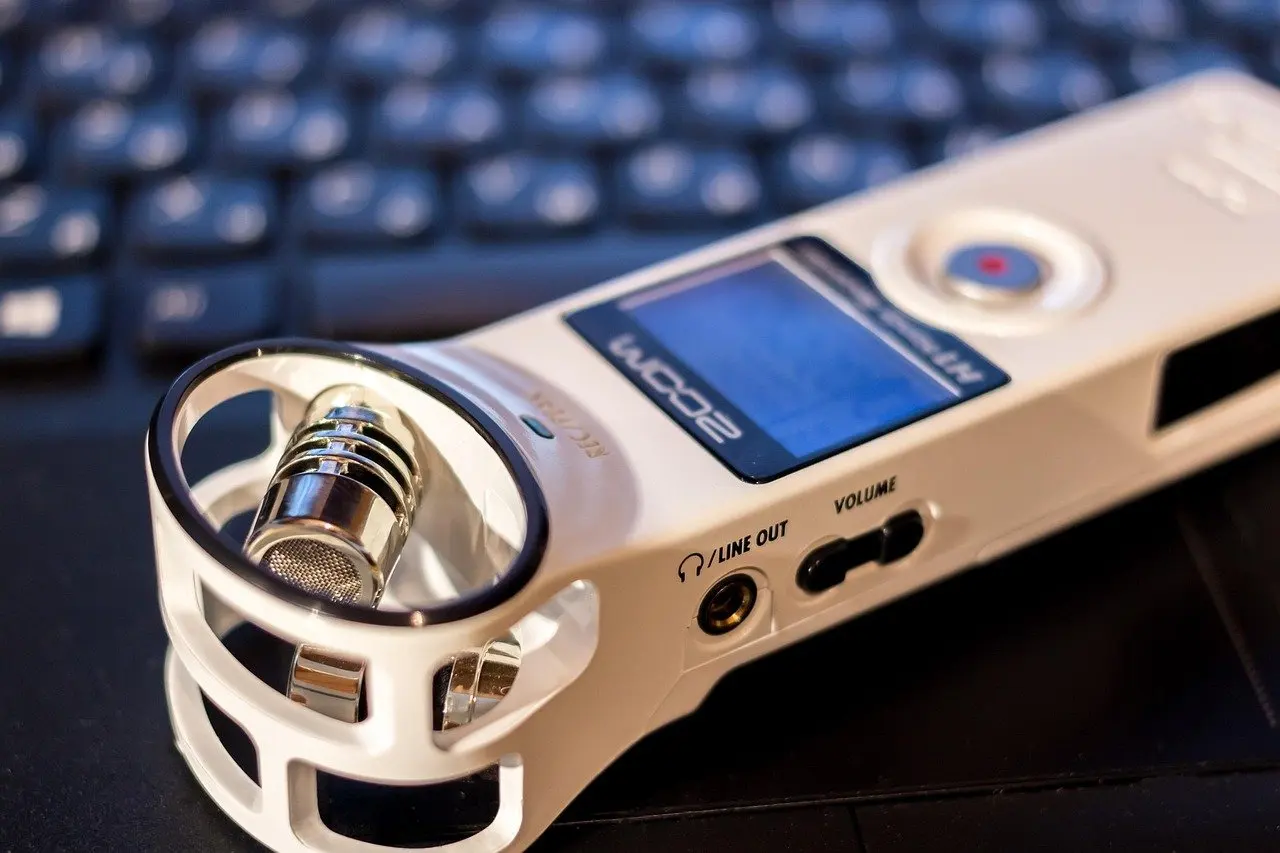
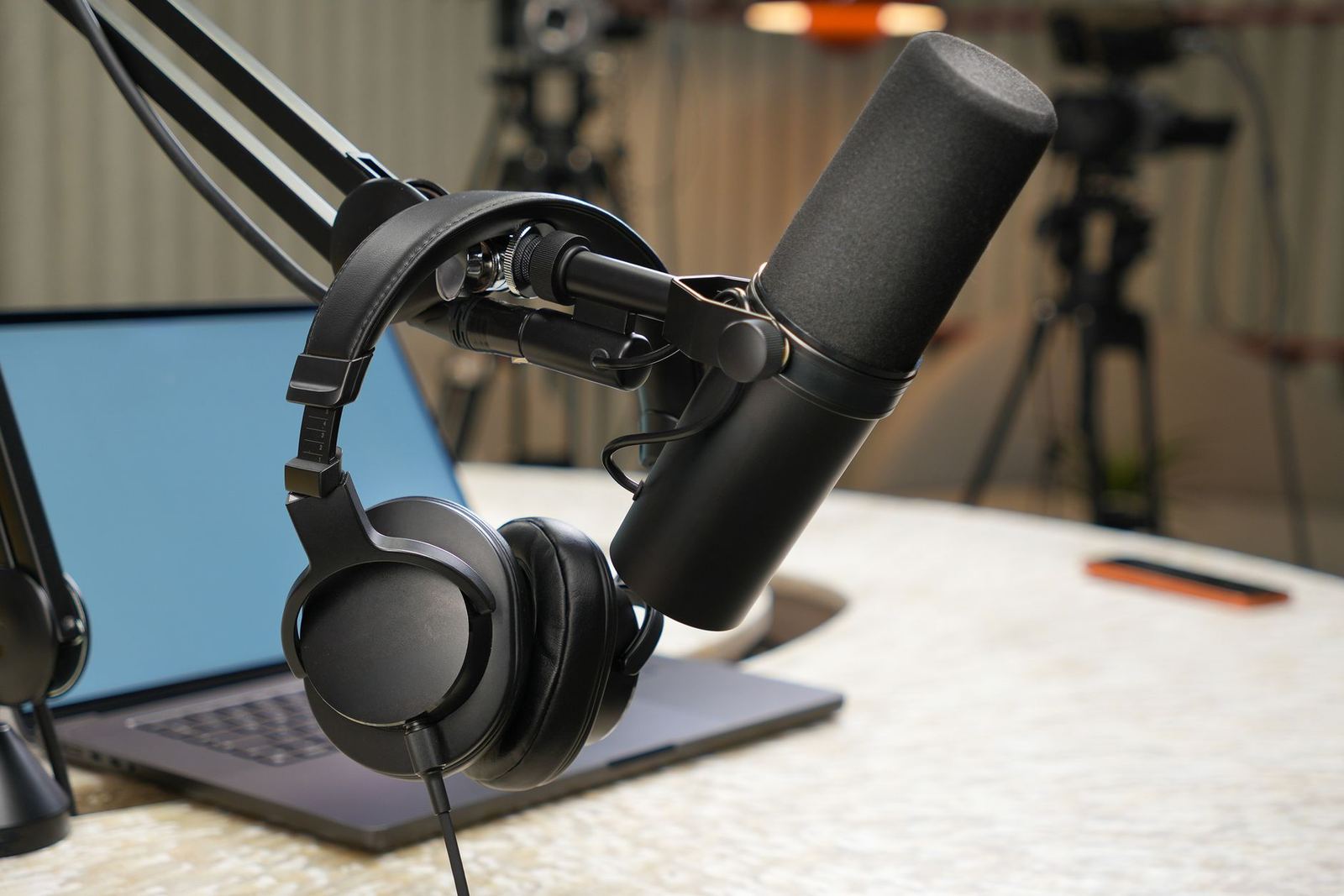
Good sound matters more than fancy equipment. The Milton team advises against relying on a computer’s built-in microphone, and the guide recommends one microphone per person for clarity and to reduce technical hiccups.
Your space counts too. The guide suggests curtains and carpet to absorb noise and reduce echoes, and it says to switch off fans and avoid outside noise.
If you don’t have a suitable room, the guide suggests looking to your community for a partner with an established recording space you can use. A friendly local organization may be glad to help.
For software, the guide recommends Audacity, which it describes as free and great for beginners. It works on Windows, Mac and Linux, and it exports to formats such as MP3, FLAC and WAV.
Choose your intro music carefully. The guide says to look for music described as “royalty free”, “podsafe” or “creative commons” so that it’s legal to use.
How do you keep episodes steady?
Consistency builds trust with listeners. The Milton post says to keep the first three to five episodes consistent before changing your style, which gives you time to work out the kinks.
Milton decided to publish monthly, which let the team build momentum while balancing its internal resources. Pick a rhythm you can honestly sustain, whether that is weekly or monthly.
The team also wrote a script for its first episode and practiced, but chose not to over-practice. That kept the conversations more organic.
When it’s time to edit, the guide suggests this order:
- Do a rough edit to cut the obvious gaps and mistakes.
- Do a clean-up pass to tidy the flow.
- Finish with a polish.
Leave short pauses between speakers while recording, because they make editing easier. Save right after every recording, so a day’s work is never lost. Where you have a team member with technical skills, let them take the editing role, as the guide suggests.
For publishing, Milton chose Anchor because, according to the post, it connects to all major podcast hosting platforms. Check what hosting options exist before you pick one, as services change.
Frequently asked questions
Do we need a studio to start?
Show answer
No. The guide asks for a quiet, dedicated space with soft furnishings, and suggests borrowing a partner’s recording room if you lack one.
How often should we publish?
Show answer
Choose a rhythm you can keep. Milton Public Library published monthly, and its guide stresses keeping the schedule consistent.
Do we need training first?
Show answer
It helps. Milton’s team, which had no podcasting experience, held an afternoon of hands-on training and recording practice and called it essential for building its vision and learning the technical side.
Can this site produce or host my podcast?
Show answer
No. This is an independent editorial site that offers no production, hosting, consulting or booking services, and it is not connected to any organization mentioned here.