

A band plays a packed room and still goes home light on pay. The door deal vs guarantee for bands choice decides who carries the risk of a thin crowd: a guarantee fixes the pay, while a door deal ties it to ticket sales.
Venues choose these structures because of how they earn money across ticket, bar and room costs. The wider picture is in how do music venues make money. This guide compares each structure against the same sample night.
The payment structures in plain terms
Most small-room shows pay a band in one of a few ways, or a blend of them. The names vary from venue to venue, so the deal memo or booking email matters more than the label.
Guarantee
A guarantee is an amount the venue agrees to pay the band whatever the crowd does. It suits a band that needs predictable income, a touring act covering travel, or any act with a small following in a new town. The trade-off is that a big night rarely pays more unless the deal also includes a share of ticket revenue.
Door deal
A door deal, which is the answer to “what is a door deal”, pays the band from ticket sales at the entrance, usually after the venue takes an agreed portion or covers agreed costs. The band’s pay rises and falls with attendance. It suits a band with a reliable local draw and the means to promote the show. It is a poor fit for a band still building an audience on a weeknight.
Guarantee versus a percentage
Some venues offer the higher of two figures: a fixed guarantee or a share of ticket revenue. This hybrid protects the band on a slow night and rewards it on a strong one. When it is offered, it is usually the safest of the structures for the band.
Side-by-side contrast on the same night
The table holds the sample night constant: the same band, the same room and the same crowd. Only the deal changes.
| Structure | Quiet crowd | Full crowd | Planning use |
|---|---|---|---|
| Flat guarantee | Band still receives the agreed amount | Band still receives the same agreed amount | Choose when income certainty matters more than upside |
| Door deal | Pay shrinks with ticket sales and can be very small | Pay grows with ticket sales | Choose when the band can reliably bring people |
| Guarantee versus percentage | Guarantee acts as the floor | Percentage takes over once it passes the guarantee | Ask for this when the venue is unsure of the draw |
| Bar split added | Small extra, or none | Extra pay rises with drink sales that night | Treat as a bonus, not as the base of the deal |
Band members who share a band form a general partnership by default, according to Promise Legal’s guide for musicians, so any payout in the table is held by the group and its split among members should be agreed before settlement.
Common misunderstandings about door deals
Most disputes over show pay come from assumptions rather than bad faith. These are the ones that cost bands the most.
- “A door deal means the whole door is ours.” Often it does not. The venue may keep a portion or deduct stated costs first, so the band should ask what comes off the top before the split is calculated.
- “A guarantee means we can’t lose.” A guarantee protects pay, not the band’s own costs such as travel, gear hire or promotion. A guaranteed night can still lose money for the band if those costs run high.
- “A busy room means a better payout.” Only if the deal rewards attendance. Under a flat guarantee, a full house and an empty one pay the same.
- “Verbal terms are enough.” A short written deal memo that names the structure, the deductions and the settlement process prevents most arguments after the show.
How the sample night settles
Take a band on a mid-week bill with a modest crowd. Under a flat guarantee, the venue absorbs the shortfall and the band collects the agreed amount. Under a straight door deal, the band’s pay is whatever remains of ticket revenue after the venue’s agreed portion, so the same crowd can pay far less than the guarantee would have.
Now run the same band on a weekend with a strong turnout. The guarantee still pays the agreed amount, while the door deal now pays well because the crowd is large. The hybrid pays the guarantee on the first night and the percentage on the second, which is why it is the structure to ask for when neither side can predict attendance.
The practical rule is to match the deal to the evidence. A band with a record of filling rooms gains from a door deal. A band without that record gains from a guarantee, or from a hybrid with a guarantee as the floor.
Bar splits for bands
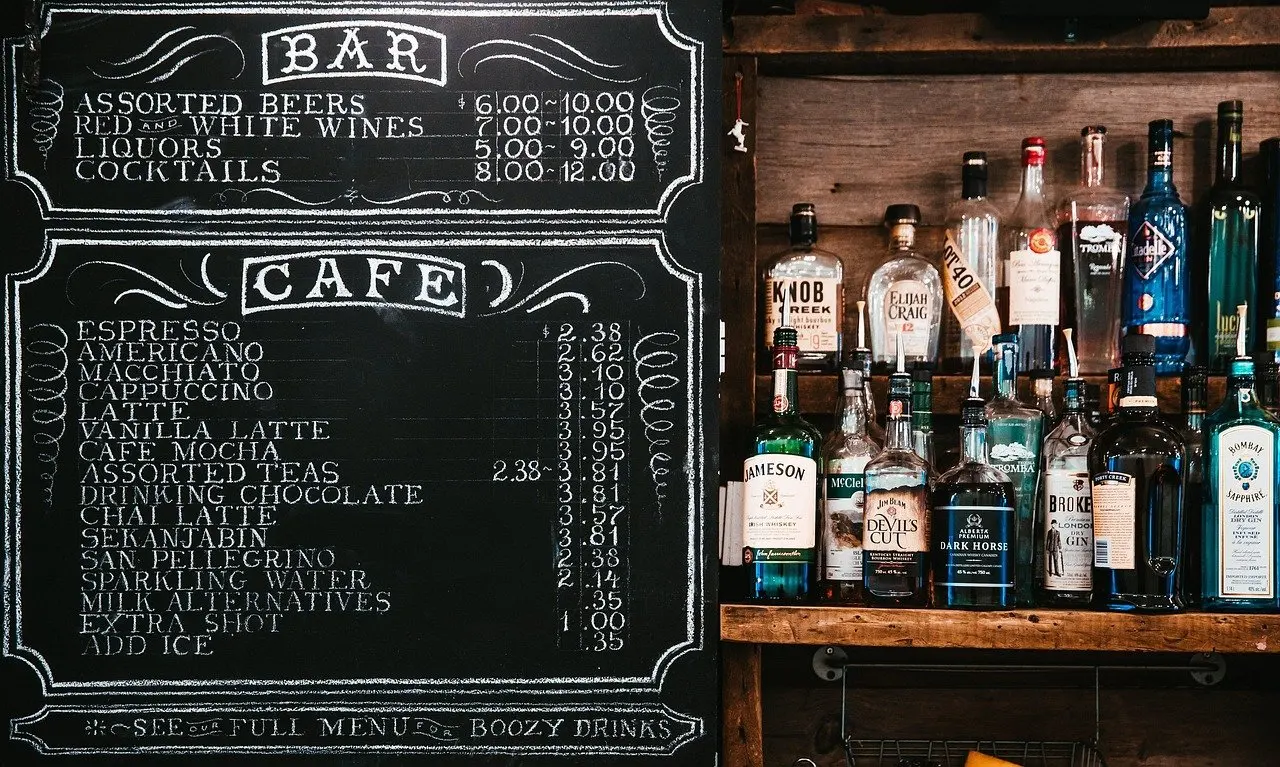
A bar split shares part of the night’s drink sales with the band, usually as an addition to a guarantee or door share. It matters most in venues where the bar, not the door, carries the business, a dynamic explained in how do small music venues make money.
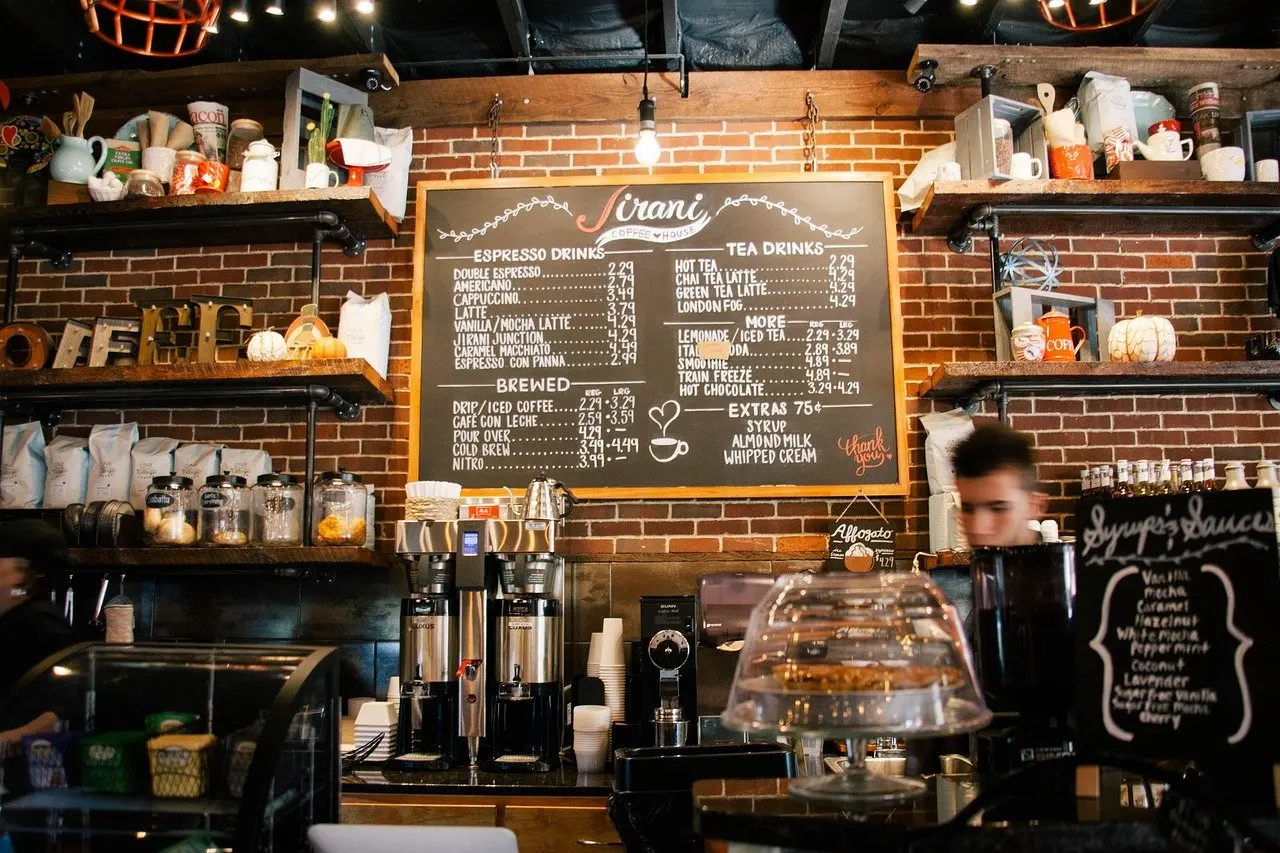
Three questions make a bar split clear before the show. Does it apply to all drink sales or only a defined part of them? Is it measured across the whole night or only during the band’s set? Is it paid on gross sales or after costs? A band that brings a drinking crowd gains most from a bar split, while a band that draws an all-ages or early crowd gains little from one.

Pay to play is a different arrangement
Venue pay to play meaning, in short: the band takes on the financial or ticket-selling burden to earn a slot instead of being paid for it. That is not a door deal. A door deal pays the band from ticket revenue, while pay to play asks the band to cover a cost or a ticket quota first. The full breakdown is in what is pay to play in music venues.
A useful test: if the band could walk away with nothing and still owe the venue money or unsold tickets, the structure has moved beyond a door deal.
Before signing a deal memo
Reading terms for repayment is the habit that carries over from bigger deals. Promise Legal notes that record label advances are non-returnable, but artists earn no royalties until the advance recoups from sales. The same logic applies to any venue advance or deducted cost: ask whether it is repaid out of the band’s share before the band sees anything.
- Name the structure. The memo should say whether the pay is a guarantee, a door share, a hybrid or a bar split.
- List deductions. Any cost the venue subtracts before the split should be named.
- Agree the count. Decide who tallies tickets and drinks and whether the band may watch the count.
- Settle the member split. Because members share the band as a partnership by default, agree internally how the payout is divided.
Frequently asked questions
| Question | Answer |
|---|---|
| What is a door deal? | A payment arrangement in which the band is paid from ticket sales at the entrance, usually after the venue takes an agreed share or costs. Pay moves with attendance. |
| Is a guarantee always better for a band? | No. It suits bands with an uncertain draw, but a band that reliably fills the room can earn more from a door share or a hybrid. |
| Does a bar split replace the door payment? | It is usually an addition. Treat it as extra income that depends on drink sales rather than as the base of the deal. |
| Can a band ask for a guarantee and a percentage together? | Yes, a band can ask for the higher of a guarantee or a percentage. The venue decides whether to agree, and the terms belong in the written memo. |