
| Pay-to-play setup | What it does to the band | Planning use |
|---|---|---|
| Presale ticket quota the band must sell or cover | Moves the risk of an empty room from the venue to the band | Work out in advance who covers unsold tickets, and treat that cost as a loss you may have to absorb. |
| Flat fee to get a slot on the bill | Costs money before anyone has bought a ticket | Ask what the fee buys, such as sound, promotion or set length, before agreeing. |
| Draw requirement for a better time slot | Ties a good slot to how many people the band brings | Compare it with a paid slot elsewhere before accepting. |
| Paid promotion or production package | Turns ordinary venue costs into band costs | Ask for each item to be listed and priced separately. |
| Door deal with no required purchase | Pays from ticket income and carries no upfront charge | Use it as the baseline when judging any pay-to-play offer. |
For the collective-action side of this topic, see the American Federation of Musicians’ statement urging members to take action on musicians’ and creators’ rights.
What is pay to play in music venues? It is an arrangement where a band pays the venue or promoter, in cash or through tickets it must sell, for the chance to perform instead of being paid.
Pay to play is one pricing choice among many, and it makes more sense once you see how do music venues make money from bar sales, rentals and ticketing. This guide stays on the single practice of buying your way onto a bill and gives bands a checklist for spotting it.
What pay to play changes for a band
The core change is who carries the risk. In a normal booking, the venue or promoter bets that a bill will draw a crowd. Under pay to play, the band takes that bet, and it pays whether or not the room fills.
Money leaves before the show
A fee or a ticket buy-in is an expense the band faces before any audience arrives. A band that earns little from gigs may be unable to cover it, which can keep out acts with talent but thin budgets. Anyone considering a fee should treat it like any other cost of doing business and ask what concrete service it pays for.

Quotas turn performers into sellers
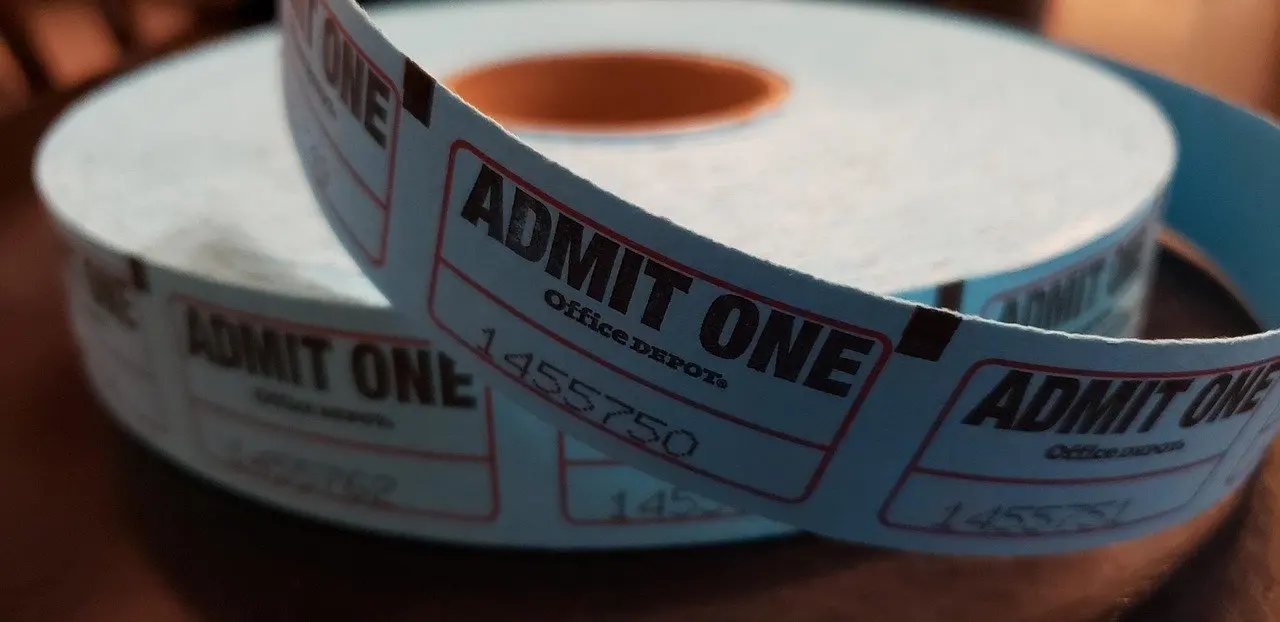
A ticket quota asks each act to sell a set number of presale tickets. Selling is a job of its own, and it takes time away from rehearsing and writing. If a band falls short, it may have to cover the gap from its own pocket. That is why a quota should be understood as a financial commitment, not a promotional goal.
Bill quality can suffer
When slots go to whoever pays or sells the most, the lineup reflects budgets and personal networks rather than fit. Audiences may find mismatched bills, and good acts that refuse the terms may never reach that stage. Venues that book this way can also find it harder to build a recognisable identity.
Warning signs to check before agreeing
Bands rarely meet the phrase “pay to play” in a contract. It tends to appear as ticket quotas, packages or minimums. Use the checklist below before saying yes.
- Ticket obligations. Look for any wording that makes the band responsible for unsold tickets, or that requires the band to buy tickets itself.
- Fees for the slot. Ask whether any payment is required just to be placed on the bill, and what it covers.
- Slot tied to numbers. Be wary if set time, order or inclusion depends on how many tickets the band sells.
- Vague package items. Treat unlabelled production, promotion or “marketing” charges as a prompt to ask for a line-by-line explanation.
- Pressure to commit quickly. A booker who wants an answer before you can read the terms is giving you a reason to slow down.
- Nothing in writing. Request terms by email or contract so that figures and responsibilities are clear on both sides.
If several of these appear together, the offer is probably pay to play even if nobody calls it that. Ask the booker to state plainly what the band will receive and what it must pay or sell.
Pros and cons for a new band
Pay to play is easy to criticise, but a fair look at it has to include why some bands accept it. The case for it is narrow and the case against it is broad, so weigh both against your goals.
What bands may gain
- Access to a stage. A new act with no gigging history may get a first slot it could not otherwise secure.
- Predictable terms. A fixed obligation is at least a known cost, unlike a vague promise of exposure.
- Practice at promotion. Selling tickets can teach a band how to reach its own audience, as long as it keeps the benefit of that audience.
What bands may lose
- Money without return. Fees and unsold-ticket costs can exceed what the show brings in.
- Fan goodwill. Friends and family asked to buy tickets repeatedly may stop coming.
- Leverage. A band that accepts paying for slots may find that every future booking is priced the same way.
- Fit. A slot bought rather than earned does not guarantee the right audience.
A sensible rule is to accept such a deal only when the band can afford to lose the entire cost, and when the venue offers something it would be hard to get elsewhere.
How presale quotas work in practice
A quota is the clearest form of pay to play because it looks like ordinary ticketing. The venue hands the band a batch of tickets, or a target, and expects the band to sell them to its own followers. The band’s responsibility depends on the agreement. In some arrangements it must hand back money for tickets it did not sell, and in others it simply loses a better slot.
Before accepting, ask three practical questions. First, who sets the ticket price? Second, when is payment due, at the time of sale or after the show? Third, what happens to tickets left unsold? Clear answers let a band decide whether the quota is a manageable promotion task or a hidden fee.
Promotion is the other half of the burden. Bands that carry quotas typically have to publicise the show themselves, and every flyer, post and message is effort the venue would otherwise handle.
Alternatives and where to turn
The most direct alternative is a booking where the venue shares ticket income or pays a set amount. The article on door deal vs guarantee for bands explains how those structures differ, so a band can compare them with any request for upfront money. A door deal still asks the band to draw people, but it does not charge for the opportunity.
Bands can also ask other local musicians how a particular venue treats its acts. Collective voices carry weight, and musician unions such as the AFM describe creators’ rights as an issue members act on together, as in its call for members to take action. A band uneasy about a booking can share terms with peers rather than deciding alone, and it can ask a union representative whether guidance is available for its area.
Fans have a role too. Audiences who buy tickets directly and attend early help acts reach a fair split without needing a quota. For practical ways to do this, see how to support local music venues.
Frequently asked questions
Is pay to play the same as a door deal?
No. A door deal pays the band from ticket income and asks for nothing upfront. Pay to play makes the band pay a fee or cover tickets whether or not the show succeeds.
Is a ticket quota always pay to play?
It depends on the consequence. A quota with no penalty is a sales goal. A quota that makes the band pay for unsold tickets, or buy them, works as pay to play.
Can a new band ever justify paying for a slot?
Possibly, if it can afford to lose the whole cost and the stage offers something unavailable elsewhere. Get the terms in writing first, and compare them with a door deal.
What should a band ask a booker before agreeing?
Ask who sets ticket prices, when payment is due, what happens to unsold tickets and what any fee includes. Clear answers show whether the offer is a promotion task or a charge.