
What is a house show? It is a live performance held in someone’s home, run by the host and the artists instead of a commercial venue, and it works when guests respect the host’s rules.
Anyone wanting to see more of the scene around them can start with how to find local bands, then come back here to learn how the room, the money and the manners work.
The house show as a social arrangement
A house show is an agreement among three parties. The host lends a room, the artists supply the music, and guests supply attention and, usually, money. No venue manager enforces that deal, so each party has to understand what the others expect.
One New York directory of DIY spaces, DoDIY, shows how this plays out in practice. Its listings describe shows run by students, by collectives and by people who simply open an apartment. The stages below follow the usual order of events.

- The host sets the limits. One listed collective says its apartments are very small. Room size caps the audience, and the host decides how many people the space can take.
- Someone takes charge of the bill. At a rented DIY space, the listing says whoever books the space is in charge of running their event. At a private home, the host or the person booking acts as the organiser.
- Sound gear is sorted out. Some spaces supply a PA system and basic show-running materials. Another collective says it can backline a pretty nice PA plus guitar and bass rigs. Bands planning a set should ask what is on hand instead of assuming.
- Guests arrive and the set happens. The audience is close to the performers, which changes how people listen and talk.
- Payment is settled. Money comes through a donation or a door charge, covered in its own section below.
How a house show differs from a club gig
A club gig is run by a business with staff, a stage and a fixed way of charging. A house show is run by people using a private space, and the arrangement changes from home to home. The music venue in this case is somebody’s living space, so the rules are the host’s.
The DoDIY listings show how much the arrangements vary. The table compares four of them on the points that matter to someone planning to play or attend.
| Arrangement | How it works | Planning use |
|---|---|---|
| Apartment shows (Aesop’s Sound Fables) | Mostly donation based in very small apartments. The only restriction is volume. Open to comedy, poetry, ambient, acoustic and other low-volume acts. | Suits quiet or acoustic acts and small audiences. A full-volume band is the wrong fit. |
| Door-charge space (Foxhead Record Co.) | Charges at the door to pay musicians and visual artists. | Expect an entry price instead of a passed jar. |
| Student collective (Fanclub Collective) | Splits door money with the largest cut going to touring acts. Can often offer a place to sleep and a meal at a co-operative student-run house. Can backline a PA and guitar and bass rigs. | Useful for touring bands who need gear, a meal and a bed as well as a gig. |
| Rented living gallery | A PA and basic show-running materials are provided. Whoever books the space runs the event. Weekday shows are easier to book and should be over by 11pm. | Suits a first-time organiser who wants equipment supplied and a weekday slot. |
These details come from the New York listings at DoDIY, and other cities’ houses will set their own terms.
What the DIY music scene means
The DIY music scene is made up of independent musicians, hosts and small organisers who put on shows themselves instead of relying on commercial promoters and venues. The same DoDIY listing gives a clear sense of it, describing one space as truly DIY in that it exists as a blank slate. The people using it supply everything else and run the event themselves.
That shared effort is why house shows sit inside the DIY scene. Warehouses, galleries, basements and apartments can all be used this way. A house show is the most domestic version, with a host’s own home as the venue, while a rented or converted space usually comes with more equipment and room.
For musicians, the appeal is control over who plays, how long and for whom. For audiences, it is closeness and a gig that feels like an invitation instead of a ticket purchase.
Finding and attending a house show
Houses rarely advertise the way clubs do, so the practical route is through the people involved. The host or booker is the person who knows the details, because whoever books a DIY space runs its event. Ask them about the start time, how many people fit and what to bring.
A good starting point is the wider local scene. Bands that play DIY spaces often play other small rooms too, and following them is the easiest way to hear about the next show. If cost is the main question, free concerts near me can cover community events with no entry price, which is a gentler first step before an unfamiliar home.
When a host does share an address, treat that as an invitation. Arrive when the host expects guests, and do not forward the details more widely than the host intended. A small room can only hold so many people, and the host decides how many.
How bands get paid at a house show
Bands at a house show are paid by the people in the room, either through donations or a door charge. There is no box office, so the arrangement depends on the host’s model, and the listings show the main versions.
- Pass-the-hat donations. Aesop’s Sound Fables says its shows are mostly donation based and that it gives 100% to the artists, with a vegan soup for artists and attendees.
- A fixed door charge. Foxhead Record Co. says it charges at the door to pay musicians and visual artists.
- A door split. Fanclub Collective splits door money with the largest cut going to touring acts, a sensible bias because visiting musicians carry travel costs that local acts do not.
For guests, the point is that the money goes to the artists. Giving what you can afford is the norm at donation shows, and a small room with a handful of generous guests can pay a band better than a half-empty club. Bands should agree the payment model with the host before the night so nobody is surprised afterwards.
Some hosts offer more than cash. Fanclub Collective says it can often offer touring acts a place to sleep and a meal. That hospitality is a favour from a host, so visiting musicians should ask about it ahead of time and thank the host for it.
Etiquette when you are a guest in someone’s home
A guest at a house show is a guest in the ordinary sense: the host sets the rules and everyone follows them. The clearest rule in the listings concerns sound. Aesop’s Sound Fables says its only restriction on performers is volume, which is a reminder that neighbours share the walls.
- Follow the host’s rules. If the host asks for quiet at the door, shoes off or limits on where guests can go, do it without comment.
- Keep noise down outside. Conversations on the step carry to neighbours, who have not signed up for the show.
- Pay the artists. Put something in the jar or pay the door charge. It is how the evening works.
- Be quiet during sets. In a small room, talking is audible to the performer as well as the audience.
- Leave the space as you found it. Clear cups and bottles, and say thank you to the host.
Many of these habits overlap with live music etiquette at small venues, and the house version simply adds the point that the room is somebody’s home.
Safety and legal basics for hosts and attendees
Hosts carry the main responsibility for safety, and the first practical check is a local one: noise and occupancy rules are set by cities, so a host should read the municipal pages for their own address before the first show.
Noise rules
Rules differ from city to city and change over time. Denver offers a current example. The Denver Gazette reported that the city last addressed its noise concerns in 2017, and that Council Bill 25-0044 received its first approval from the City Council on Feb. 18.
According to that report, the proposal would raise the limit for permitted public events by 5 decibels, from 80 dBA to 85 dBA, with a hard stop at 10 p.m. It would also allow 85 dBA on private property for a total of eight calendar days per year, though not more than four consecutive days. The report adds that no changes were proposed to the official noise variance process.
The lesson for hosts is that a proposal is not the rule. A host should check which ordinance currently applies at their address, and treat any extra allowance as an exception to apply for and not an assumption. Acoustic and low-volume acts, like those welcomed by Aesop’s Sound Fables, carry the least risk of complaints.
Room limits and exits
Small rooms fill quickly, and the DoDIY listing’s description of very small apartments is a useful reminder. Occupancy limits are a matter for the local municipality and fire authority, so a host should look them up for their own building instead of guessing. As a basic judgement call, a host should keep the audience to a number the room can empty from quickly and keep the way out clear.
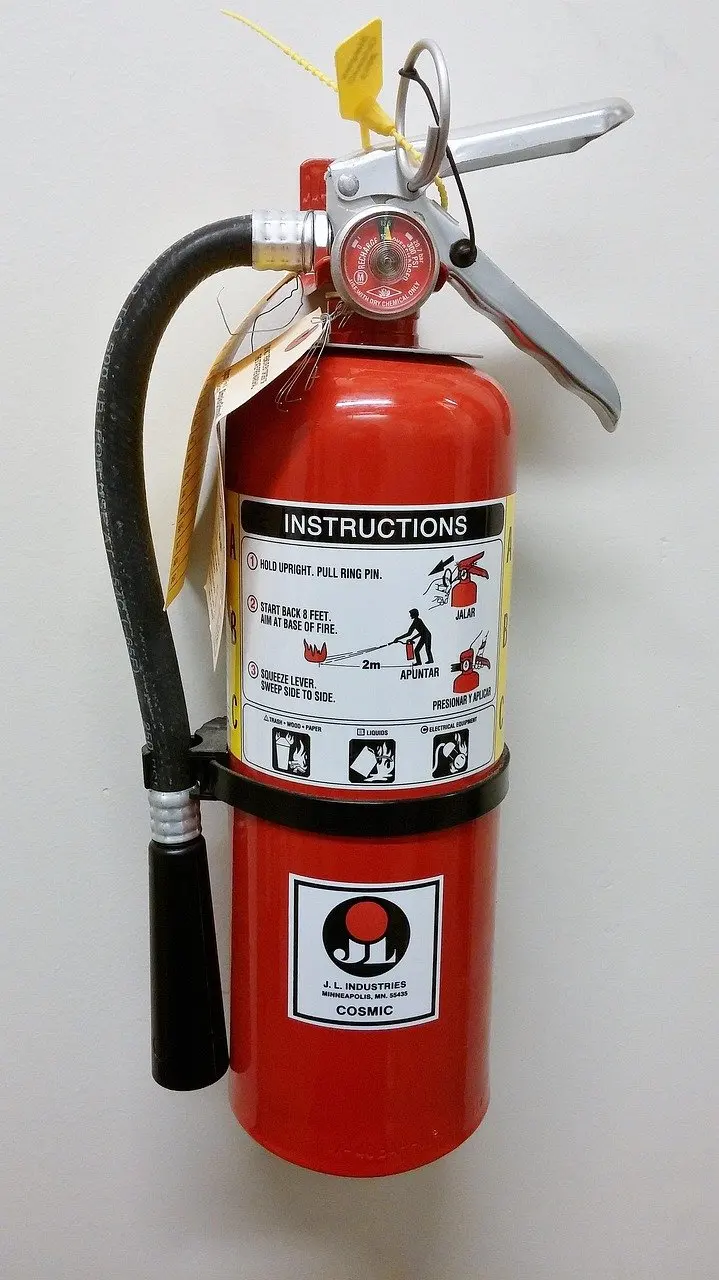
Guests can help too. Note where the exit is when you arrive, and tell the host if something looks unsafe, such as a blocked doorway or a room that feels too full. A host who has started a show cares more about a safe evening than about a full house.
Frequently asked questions
What kinds of acts suit a house show?
Quiet and small-scale acts suit it best. Aesop’s Sound Fables says it is open to comedians, poetry, ambient, acoustic and other low-volume performers, with volume as its only restriction.
When do house shows usually end?
It depends on the host and the neighbours. At one Brooklyn DIY rental space, weekday shows are easier to book and should be over by 11pm, which is a sensible model for any host with neighbours close by.
Can touring bands expect a place to stay?
Not automatically. Fanclub Collective says it can often offer a place to sleep and a meal at a co-operative student-run house. Touring acts should ask the host in advance and not assume it.