
| Symptom | First action | Planning use |
|---|---|---|
| The venue’s site gives no booking address | Check the contact page and the venue’s social profiles for a booking contact. If none exists, use the general address and ask who handles shows. | Record the answer so every later inquiry goes straight to the right person. |
| The venue publishes booking instructions | Follow them exactly, including any format or materials they request. | The venue’s rules override any template, this one included. |
| The venue runs an open mic night | Ask in the email how open mic slots are handed out, and whether the night is listed on a local open mic directory. | An open mic request is a lower-commitment first ask than a full show date. |
| No reply after the response time the venue states | Reply in the same thread with a short, friendly nudge. | Keeping the thread intact gives the booker your original pitch in one place. |
| The booker says not now | Thank them and ask when it would make sense to check back. | A polite exit keeps the contact open for the next booking round. |
The open mic row reflects the free listing option that Open Mic Jacksonville’s venue page describes for open mic events.
Knowing how to email a venue to book a show comes down to a short message to the right booker: a clear subject line, a brief pitch, a specific request and links to your music, then a polite follow-up.
This guide covers only the written inquiry. For the wider route to a first date, read how to get your first gig as a band, and for the surrounding scene see how to find local bands and the rooms they play.
Check the venue’s booking route first
A venue’s own instructions decide where your email goes and what it must contain. Look for a booking page, a contact page or a line in the venue’s social profiles before writing anything. If the venue asks for a form, a specific address or particular materials, do exactly that and treat the rest of this guide as a drafting aid.
Read the room as well as the instructions. A venue that hosts mostly cover acts, or one that books only touring headliners, is not the right target for every band. Pitching a room that already books your kind of music shows the booker you did your homework, and that is the main thing a first email can prove.
When the venue runs an open mic night
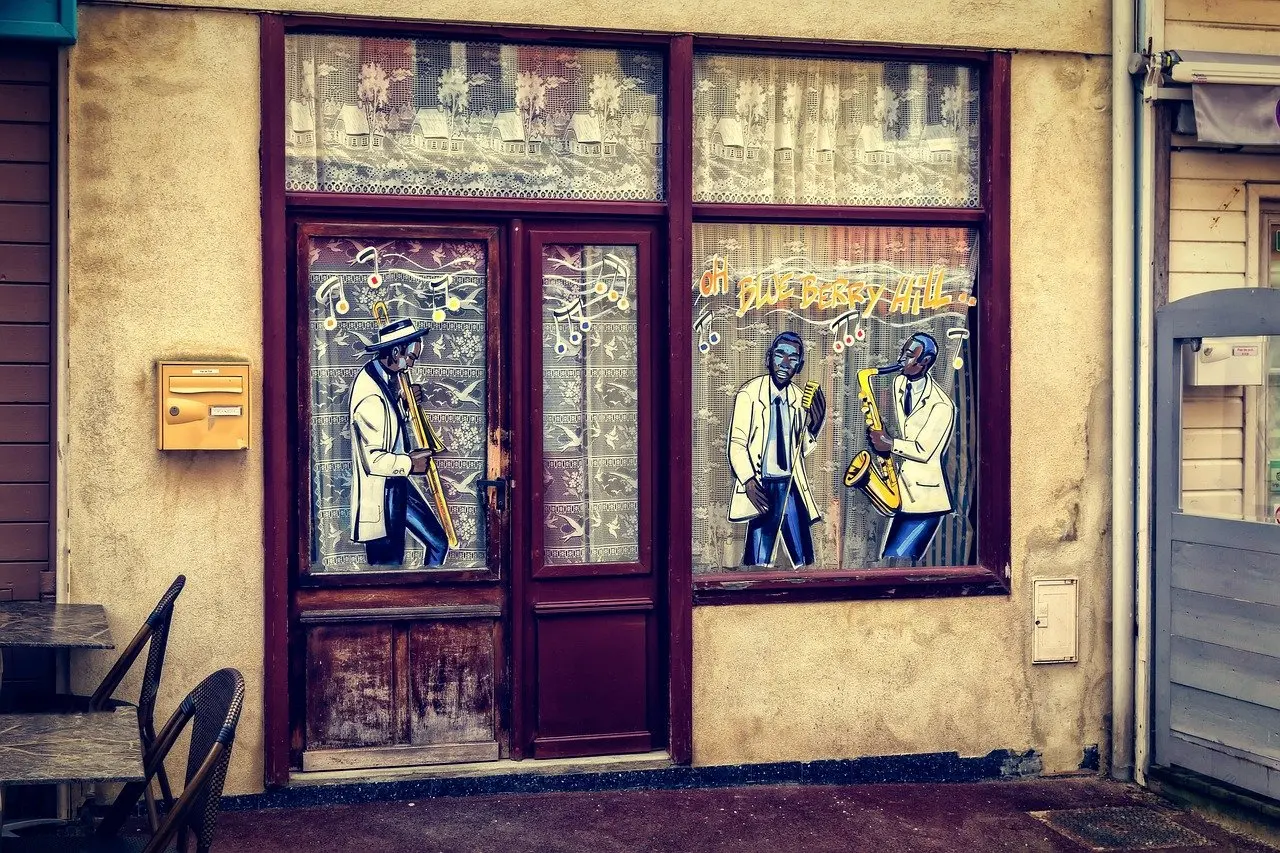
An open mic night is often the easiest opening for an unknown act. The booker gets to hear you in the room before offering a date of your own, and the email you send is short and low-risk. Ask how slots are assigned and whether to sign up by email or in person.
Open mic nights are also promoted through outside services. Open Mic Jacksonville’s venue page says Open Mic Entertainment has operated live-music open mics since 1998. It offers venues a promotion service for $20 that sends a weekly email to thousands of local musicians, places the event at the top of its day of the week on the home page, and can be stopped at any time. A free listing option is also available. A venue that uses a service like this may already field sign-ups through it, so ask whether slots come through a listing or by direct email.
Write the subject line and sender details
A subject line should let the booker sort the message in a glance. Name the purpose, the act and the place, for example: Booking inquiry: [Band name], [genre], [your city]. Add a date range only when you are really flexible within it.
Cleverness costs you here. A vague or playful subject line can be mistaken for a mass mailing, while a plain one reads as professional. Send from an address that includes your band’s name, and put your name, band name and phone number in the signature so the booker never has to hunt for them.
Fill-in template: opening, pitch and ask
The body works best as a short message in three paragraphs, each doing one job. Replace the bracketed parts, keep it in your own voice, and cut anything the booker does not need to decide.
Subject: Booking inquiry: [Band name], [genre], [your city]
Hi [Booker’s first name],
[Band name] is a [genre] band from [your city], and [Venue name] stands out for [a specific, true detail: the kind of acts it books, the room, a recent show].
The band’s sound sits close to [two or three artists a typical [Venue name] crowd would know], and recent shows include [venues or events]. Music, photos and a short bio are here: [link to music] and [link to press kit].
Would [date range or month] work for a show at [Venue name], or is an open mic or support slot a better first step? Thank you for your time, and a reply with the next step is welcome.
[Name]
[Band name] | [phone] | [website or social link]
Paragraph one: why this venue
State who you are and why this room, in a sentence or two. The detail must be true and specific, because a generic compliment signals a copy-and-paste message. If you cannot name something real about the venue, spend a few more minutes looking at its listings before you write.
Paragraph two: the pitch
Give the booker enough to judge fit: genre, comparable artists and a short note on recent shows. Put links to your music here rather than long descriptions. The what to put in a band press kit checklist covers the materials worth linking.
Paragraph three: the ask
End with a single, easy question. Naming a date range or a slot type makes it simple to answer yes or no. Offering an alternative, such as an open mic or a support slot, gives a booker with a full calendar something they can still say yes to.
Follow-up schedule
A missing reply usually means a busy booker, not a refusal. Space your follow-ups so each one adds value and none feels like pressure. Use the venue’s stated response time where it gives one, and treat that window as the starting point for your clock.

- First follow-up: After the venue’s stated response time has passed, reply in the original thread. Restate the ask in a sentence and add something new, such as a confirmed show or a fresh recording.
- Second follow-up: Wait noticeably longer, then send a shorter note offering to resend the links or switch to a different date range.
- Pause: After the second follow-up, stop. Log the venue and contact it again only when you have real news, such as a release or a well-attended local show.
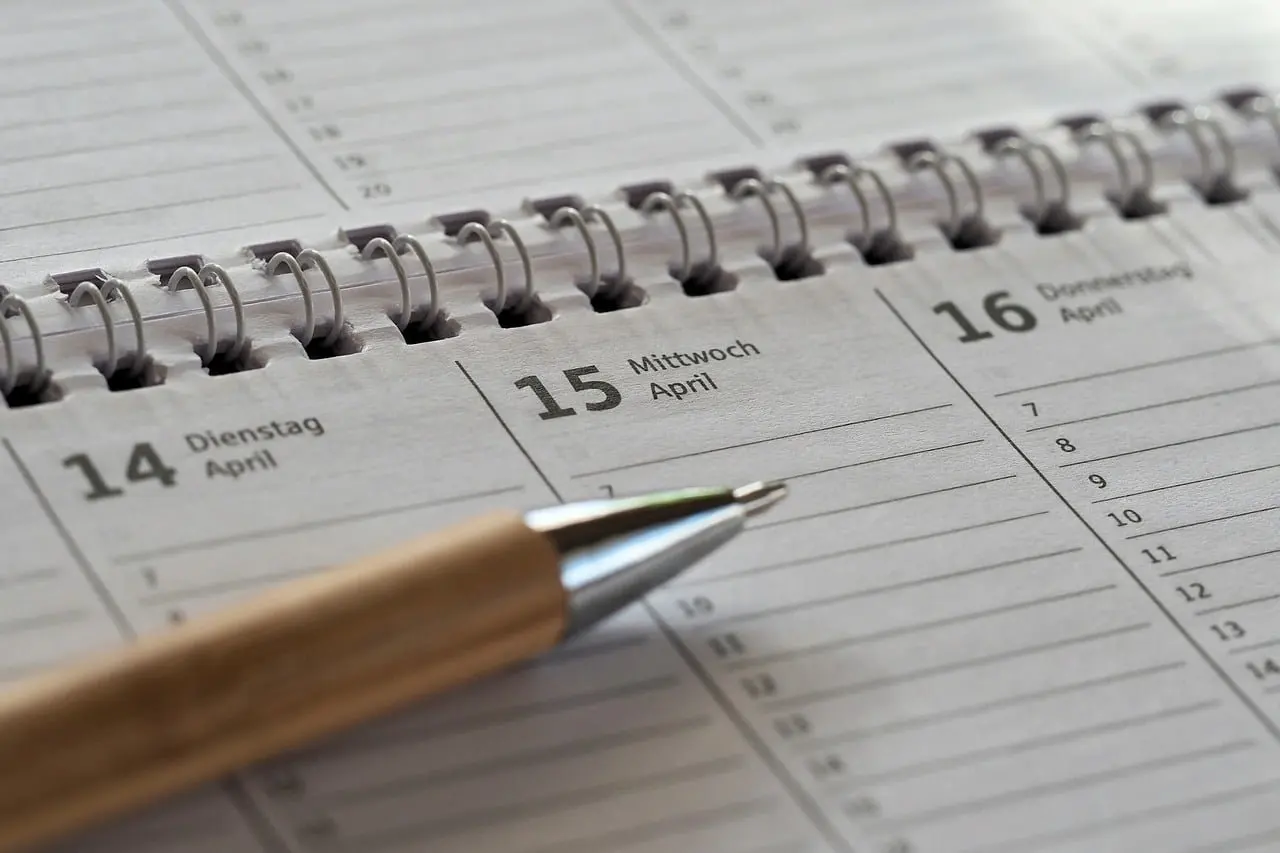
Track every inquiry
Once more than a few venues are in play, memory fails. A simple log of who you wrote to, when, and what you asked prevents the common error of nudging a booker too soon or emailing the same venue twice with different pitches.
- Contact details: Venue, booker’s name and the address you used.
- Dates sent: The original inquiry and each follow-up, plus the next date you plan to act.
- What you asked: A full show, a support slot or an open mic, so a later email can build on it.
- Outcome: A reply, its tone and any timing the booker suggested for checking back.
Common problems and fixes
The email gets no reply
Check the basics first: was it sent to the booking contact the venue names, and does the subject line say what the message is for? If both are right, follow the schedule above rather than resending the same text from scratch.
The reply is vague or noncommittal
A reply such as “send more info” is an opening. Answer promptly with exactly what was requested and repeat your date range. Do not bury the booker in extra material they did not ask for.
The email reads like a mass message
Fix this by rewriting the venue-specific lines, not by adding more text. A true, specific sentence about the room does more than a longer biography.
- Too long: Cut the bio to a few lines and link out for the rest.
- No clear ask: Finish with a date range or slot type the booker can accept or decline.
- Wrong person: Ask politely who handles bookings instead of guessing.
When the booker replies
A positive reply starts a conversation, not a confirmed show. Answer quickly, confirm any dates in writing and ask what the venue needs from you, such as set length, equipment or promotion. Hold the agreed date in your own calendar straight away, since the written confirmation is the record both sides can check.
Whatever the outcome, keep the tone friendly. Bookers remember musicians who are easy to deal with, and a courteous response to a decline often leads to the next opening.
Frequently asked questions
| Question | Answer |
|---|---|
| Should the music be attached to the email? | Links keep the message light and easy to open on a phone. Attach files only if the venue’s booking instructions ask for them. |
| Can the same email go to several venues? | The structure can be reused, but each venue needs its own name, booker and specific detail. Send each message separately rather than copying several bookers into one email. |
| What if there is no named booker? | Address the message to the venue’s booking team and, if a general contact address is all that exists, ask who handles shows. |
| Is a plain subject line better than a creative one? | A plain subject naming the purpose, the act and the city is easier to sort and less likely to look like a mass mailing. |