
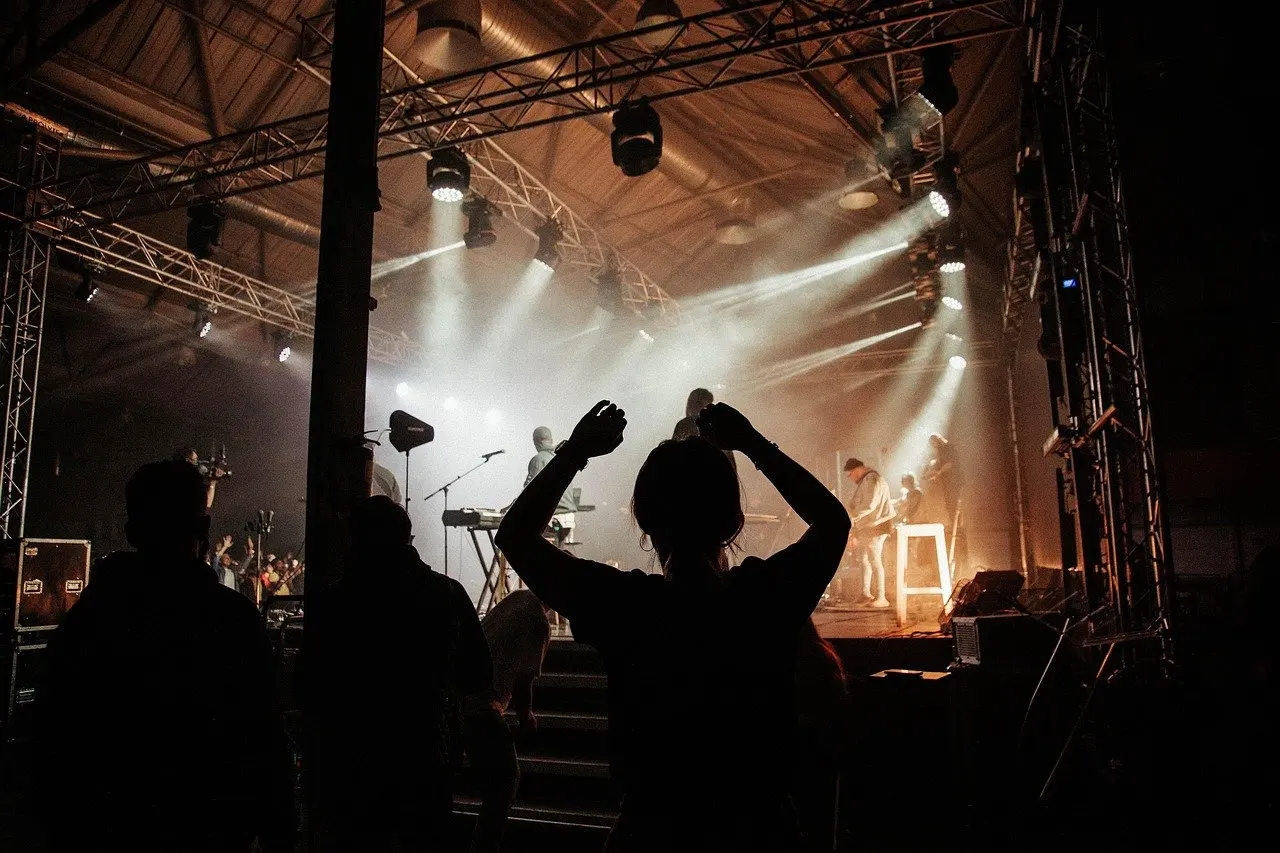
A band with rehearsed songs and no booking history needs a sequence, not a cold pitch: how to get your first gig as a band starts with open mics and shared bills, then moves to small venues.
Quick answer: Rehearse a short set you can play comfortably. Take stage time at an open mic, then join a shared bill. Only then ask a small venue’s talent buyer or promoter for a slot. For the wider picture of the local scene, including how to find local bands, see the hub.
Rehearse a short set you can play comfortably
A first show goes best when the songs are simple for the people playing them. Pedal.ly’s open mic guide advises choosing something you are comfortable playing and connected to emotionally. For an independent musician with a thin catalogue, that rules out the ambitious new song that only works on a good day.
Build the setlist from the material that survives a rough rehearsal. Put the most reliable song first so nerves have somewhere to settle. Keep one more song in reserve rather than stretching the main list.
Rehearsal also tells you whether the group is ready to be heard by strangers. If a song still needs to be thought about mid-performance, leave it out of the set. The next section uses the lowest-pressure stage for the first test of the songs in public.
Open mic nights: the lowest-barrier first stage
An open mic night is the easiest first stage, especially for a solo musician. The DBS Institute’s guide calls open mics one of the best low-pressure ways to get comfortable performing live. No one has to be persuaded to book you, so the only task is signing up and playing.

What to do on the night
- Arrive and sign up early. The order of play can vary. Pedal.ly says you might go up early or wait two hours.
- Use the wait. The same guide suggests supporting other musicians and feeling out the room while you wait.
- Keep originals short. It recommends keeping an original under 5 minutes and leaving the crowd wanting more.
- Carry a backup song. Have a second song ready in case the venue allows extra time or the night is slow.
- Expect a brief soundcheck. It is rarely more than a quick strum and a thumbs up, and most open mics provide a basic PA system and DI boxes.
These limits answer the question of how long a first set should be. At an open mic the set is one or two songs, not a full performance. Plan for the time you are given rather than the time you would like.
Why solo musicians start here
A solo musician needs only a guitar or keyboard, a short list of songs and a name on the sign-up sheet. A full band has more gear to move and more people to coordinate, so the solo slot is the cheapest way to test the songs. Bands can send one member to play an open mic and report back on the room.
Shared bills and local musician groups
Once the songs have survived a few open mics, a shared bill is the next rung. It is a show where several acts split the evening and each brings its own listeners. The Pro Audio Files’ booking guide describes finding 2-3 bands to build a bill, and it advises picking bands that have not played in the city for at least 3 weeks.
This route spreads the risk. A venue is more willing to take a bill with several acts than a single unproven band, and each act brings its own friends. It also gives a solo musician or a new band stage time with a proper soundcheck and a longer slot than an open mic usually allows.
The harder part is finding the other acts. The DBS Institute notes that many cities have local musician groups on social media where people share gig opportunities. Join those groups, watch for posts from organisers who need an act, and offer to share a bill with bands whose style fits yours. Posting there is also a practical way for a solo musician to find gigs, because organisers looking for one act can reach you directly.
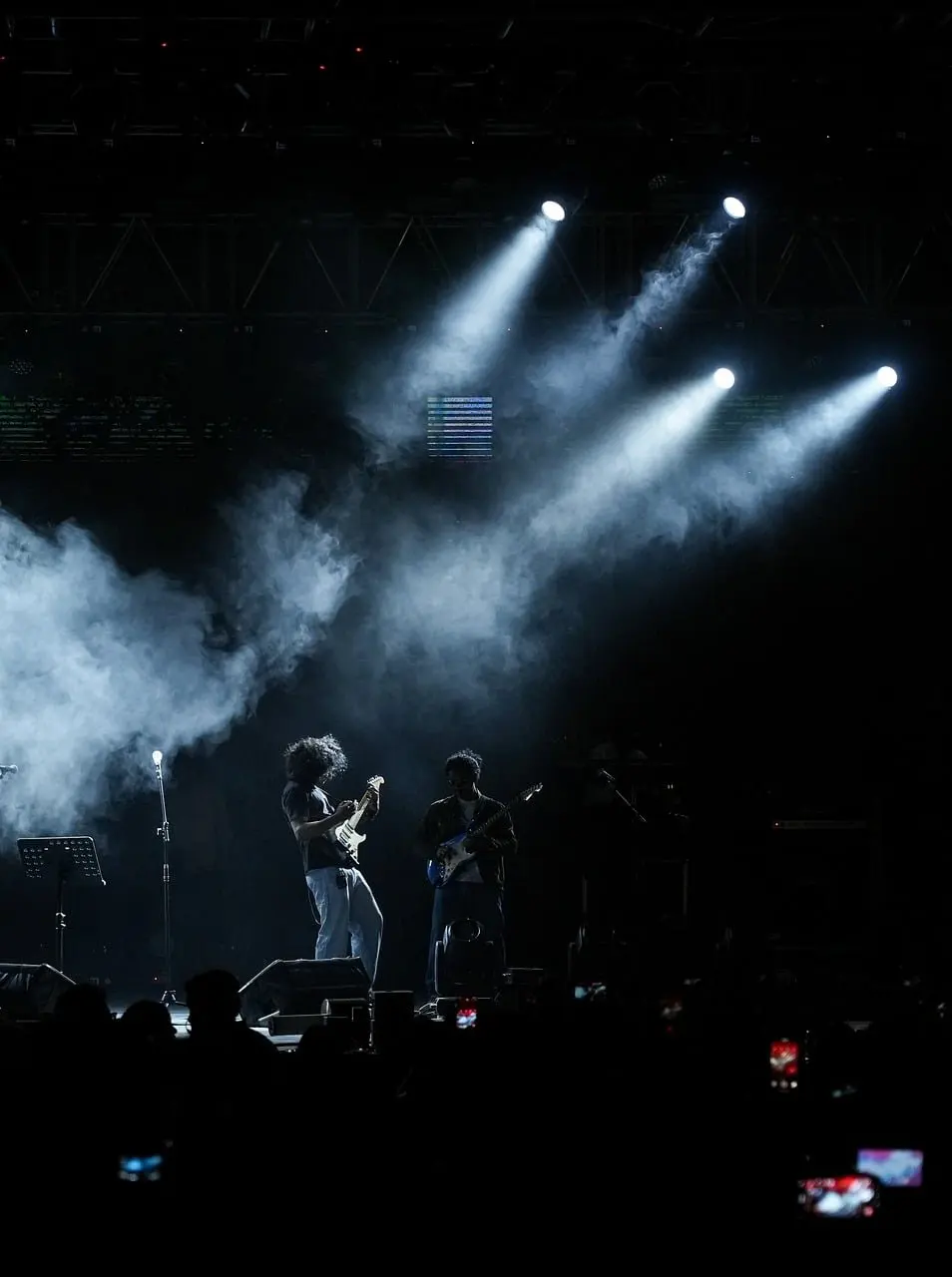
Playing live music in these formats builds the track record that a venue will want to see. That record is what makes the next step, approaching a room directly, a reasonable request.
Approaching a small venue directly
Direct booking is the top rung because it asks a stranger to take a risk on you. By now the band has a set, some stage time and perhaps a few listeners. The method is to choose the right room, find the right person and make saying yes easy.
Choose a room that suits the band
The Pro Audio Files advises finding somewhere that hosts shows with acts similar to yours. It adds a rule of thumb: book a venue that is too small rather than too big. A packed small room looks like a success, while a large, half-empty one feels like a failure to everyone present.
Build the shortlist from places you can actually visit. The DBS Institute recommends visiting local venues in person if you can and checking their social media pages, which show what the room books. The guide on how to discover local bands is a useful way to see which acts already play your local rooms before you decide which room suits you.
Find the person who books
The question of who to contact at a venue has a consistent answer. The Pro Audio Files says to find out who the talent buyer or promoter for the venue is and send that person a personalised email. At this stage of a career, a booking agent is not the target. The venue’s own buyer is.
How to reach that person depends on the venue. The DBS Institute advises checking the venue’s website or socials for a preferred contact method. It notes that some venues prefer emails while many others might be more responsive to Instagram DMs or Facebook messages. Follow the instruction the venue gives rather than choosing your favourite channel. The step-by-step guide on how to email a venue to book a show covers the message itself.
Make the request easy to approve
The Pro Audio Files puts the aim plainly: make this as easy as possible on the venue. Send a compact package. The DBS Institute says that as a minimum a press kit should include a short bio and links to your music and social media. Suggest a date and a bill rather than leaving the buyer to design the evening.
What a first booking pays
A first show is best treated as stage time and a way to build a draw. The Pro Audio Files states that bands are paid based on how many people they can draw, so pay follows the crowd you bring rather than the quality of the set. A band that has played open mics and shared bills has more to show a buyer than a band that has not.
That is also the reason to keep the early stages cheap and frequent. Each appearance builds familiarity with local listeners, and familiarity is what turns into a draw.
When to stay on the lower rungs
Step back a rung when a venue does not answer, or when a room is clearly too big for the current following. A silent venue is a reason to try another room, not to pitch a bigger one. A set that falls apart under pressure is a reason to return to open mics until it holds together.
| Stage | Typical condition | Planning use |
|---|---|---|
| Open mic night | Originals under 5 minutes; basic PA and DI boxes; wait of up to two hours | First public test of the songs, with the least pressure |
| Shared bill | 2-3 bands; bands that have not played the city for at least 3 weeks | Spreads the draw and earns a longer slot |
| Direct venue booking | Venue too small rather than too big; contact is the talent buyer or promoter | Only after stage time and a clear pitch |
These figures come from Pedal.ly’s open mic guide and The Pro Audio Files’ booking guide.
Frequently asked questions
Do I need a recording or a following before my first gig?
No large following is needed. The DBS Institute says you do not need thousands of followers or polished content from day one. A three or four-track demo is often enough to show your style.
When should I follow up with a venue that has not replied?
The Pro Audio Files advises sending a follow-up email after a week. If the venue stays silent after that, move on to another room.
Do venues take a cut of merchandise sales?
Often they do. The Pro Audio Files says most venues take 10-30% of your merch sales, so ask about the terms before the night.