| Reader situation | Supported starting point | Planning use |
|---|---|---|
| You need a first interviewee | Select a subject such as a parent or grandparent | Begin with someone who already trusts you. Widen to neighbors once the routine feels familiar. |
| The elder is nervous about being recorded | A comfortable and natural conversation environment | Choose a familiar room and a conversational pace instead of a formal setup. |
| You are unsure what to ask | Open-ended questions prepared in advance, with the interview recorded | Draft questions that invite stories rather than yes-or-no answers, and keep the recording running. |
| You have little equipment | Simple audio or video tools | A phone or basic recorder is a fair place to start. Practise until the tool is easy to use. |
| You want the recording to last | Transcription, digital storage and sharing recordings with family members | Decide where files will be stored and who receives a copy before the first session. |
These starting points come from oral history interview project guidelines written for students and an online course listing on recording family conversations.
To learn how to interview elders about local history, start with someone you already know, ask open-ended questions about specific places, and record the conversation in a comfortable setting. The situations below show what to do next.
Neighborhood memory often comes with music, from dances to church choirs, so the wider question of how does music build community is a useful companion to the interview work described here.
If you are making the first approach
The first approach shapes everything that follows, because an elder who feels respected will share more than one who feels examined. Most of the work here is about relationship, not technique.
Choose someone you already have a link with
The student guidelines tell interviewers to select a subject such as a parent or grandparent. That advice also suits neighborhood history. A relative, a long-time neighbor or a former shopkeeper from your own street already knows who you are, so the invitation feels natural. Interviewing a stranger is possible, but it is a poorer choice for a first attempt because trust has to be built from nothing.
- Best for a first interview: a family member or neighbor who has lived on the street for a long time and enjoys telling stories.
- Better saved for later: someone you have never met, until you have a practised routine and a clear explanation of your project.
Make the invitation specific and unhurried
Ask in person or by phone when you can, and say plainly what you are doing: recording memories of the neighborhood so they are not lost. Name the places you hope to hear about, such as a corner store, a school or a church hall. A specific topic is easier to agree to than a vague request for “your life story”. Offer a choice of day and place, and make clear that stopping or skipping a question is always fine.
The course listing describes the goal as preserving family history by recording meaningful conversations with parents and grandparents, which is a useful way to frame the request to a relative. For a neighbor, the same idea works: the recording is a gift to the community, and the elder keeps a copy.
Set a comfortable, natural scene
The same course teaches creating a comfortable and natural conversation environment. In practice, that means the elder’s own kitchen table or favorite chair, not a borrowed office, and a seat beside the elder rather than across a desk. Keep the setup small so the recording tool fades into the background.
If the elder needs help remembering places
Place-based memory is the goal of a neighborhood interview, and places are easiest to recall when something concrete is in front of the elder. Prompts work best when they are objects, pictures and landmarks, not abstract requests to “remember the old days”.
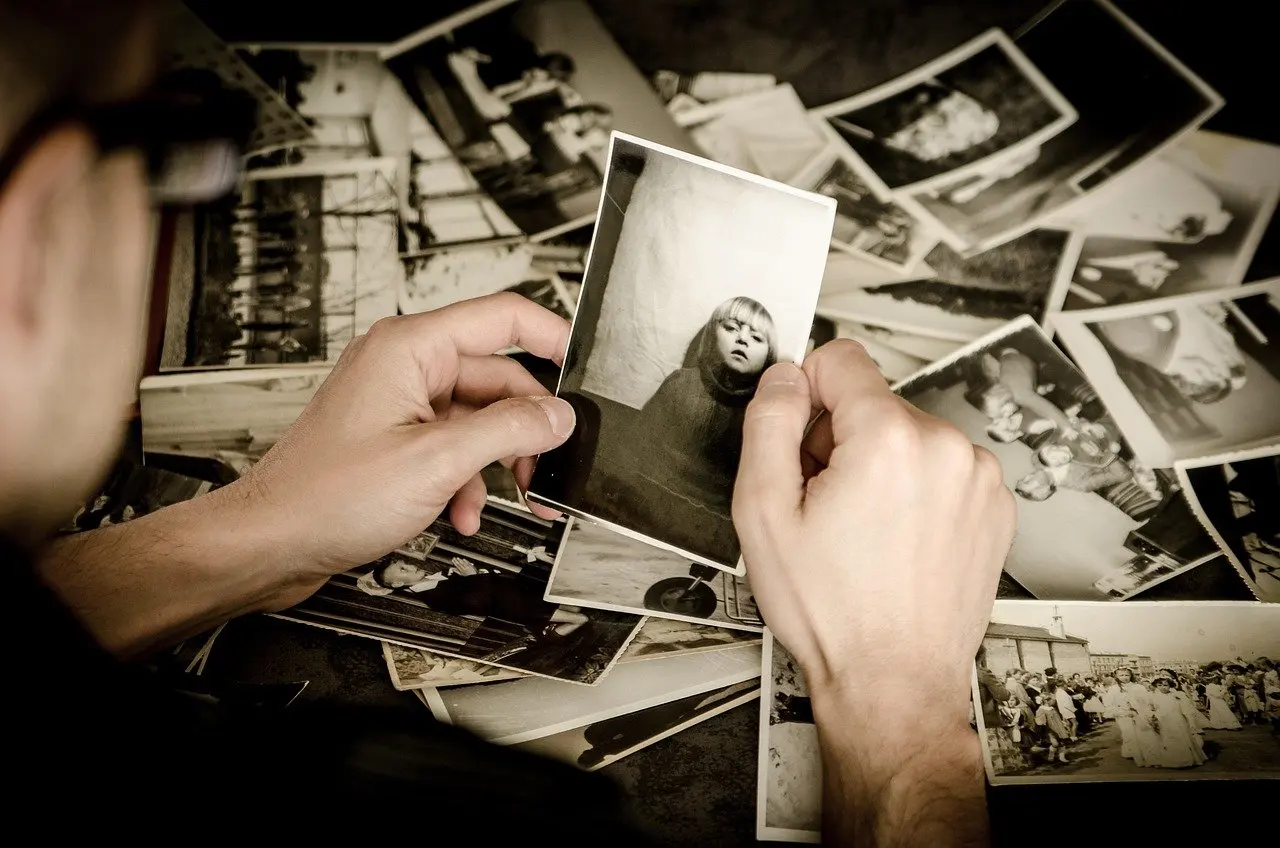
Start with photographs
Bring a handful of old photographs of the street, local buildings or community events, and let the elder choose which one to discuss. Ask who is in the picture, what the building was used for and what stood next to it. Photographs from the elder’s own albums often work better than prints you found elsewhere, because they carry personal stories as well as streetscapes. Mixed piles are useful, since the choice of picture tells you what matters most to the person.

Spread out a map
A street map of the neighborhood, even a modern one printed from the internet, gives the elder something to point at. Ask them to mark where they lived, where they shopped and where children played. Pointing often triggers details that a spoken question does not, such as the name of a vanished shop or the route walked to school. Keep a pen handy and note which marks the elder made, then describe the marked locations aloud on the recording so the audio makes sense without the map.

Ask open-ended questions about specific places
The interview guidelines call for questions prepared in an open-ended format, with the interview recorded. Open-ended means questions that begin with words like “describe” or “tell me about”, not questions that can be answered with a single word. Tie each one to a place: what the main street sounded like on a Saturday, who ran the corner shop, where neighbors gathered. The course also covers strategies for guiding conversation and encouraging storytelling. For a talkative elder, the best guidance is to follow the story rather than the list. Let a tangent run, then return to the map or photograph when it ends.

- Use silence: a pause after an answer often draws out a second, fuller memory.
- Follow up on sensory detail: sounds, smells and weather bring a scene back more vividly than dates do.
- Keep questions short: one question at a time lets the elder answer in their own words.
Elders who mention dances, bands or radio programs are describing a thread worth following, and the article on how does music shape community identity offers context for those recollections.
If you are choosing equipment and planning sessions
Simple tools are enough, and the aim is a clear recording that does not distract anyone. The course teaches using simple audio or video tools to record interviews with confidence, which points to familiarity with whatever you own as the main requirement.
Phone or simple recorder
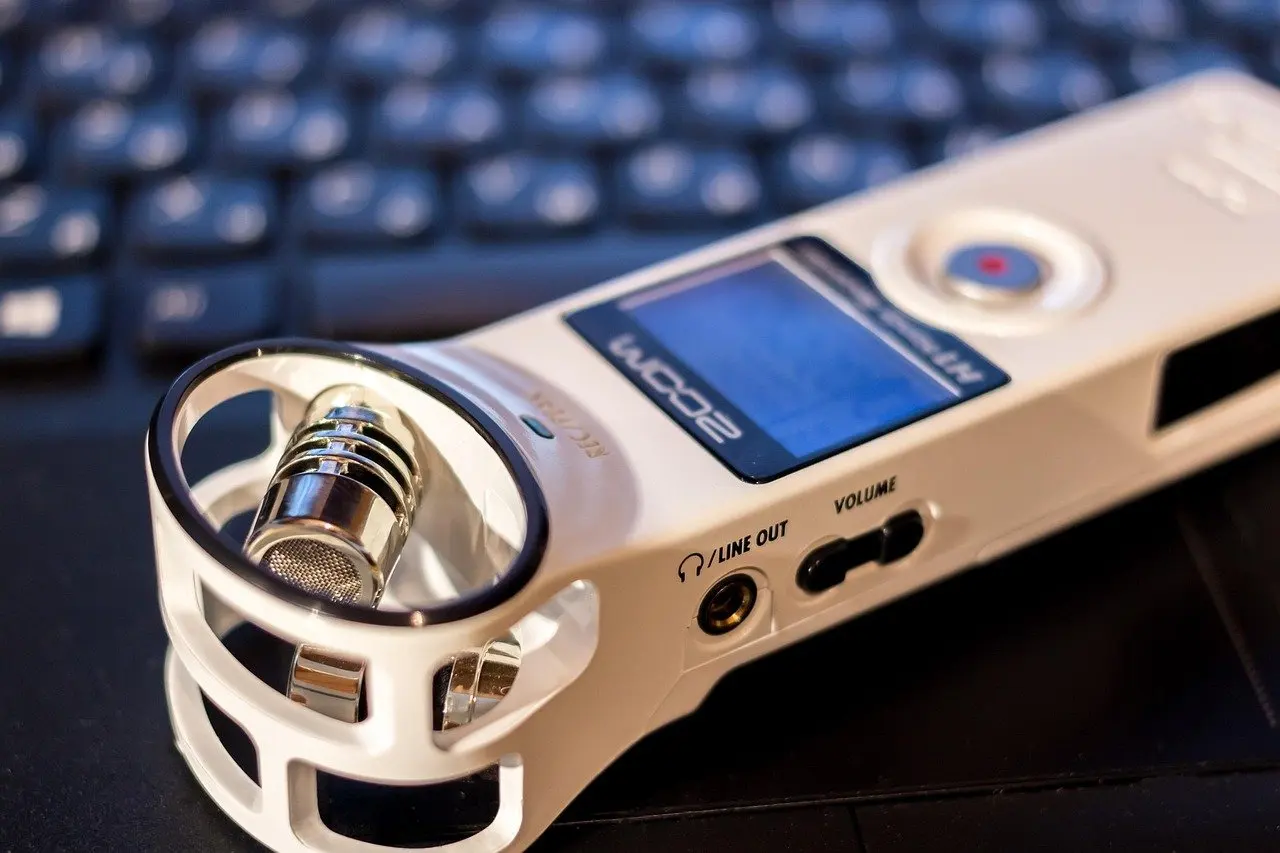
A smartphone with a voice-recording function covers most needs, and a basic audio recorder is a fair alternative if you want a dedicated device. Audio alone suits most neighborhood interviews, because it is less intrusive than a camera. Video makes sense only if the elder is comfortable with it and the gestures, such as pointing at a map, matter to the story.

- Test before the visit: record a short sample at home and play it back to check volume and background noise.
- Place the device between you: keep it close enough to catch quiet speech, but out of the elder’s direct line of sight.
- Silence other sounds: turn off notifications, close windows if traffic is loud and pause appliances that hum.
Plan the length of each sitting
Plan a single theme per sitting, such as the shops of the main street or childhood games, and stop when the elder shows signs of tiredness. Several short conversations tend to give better material than a long marathon, and they give you time to review the recording and prepare follow-up questions. Allow time at the start for settling in and at the end for the elder to add anything you missed.
If you want a neutral meeting place
Some elders are uneasy about hosting a stranger at home, and some interviewers lack a quiet space. A public library is a sensible alternative.
Public library as a meeting point
The Age-Friendly New Jersey initiative describes libraries as trusted spaces where older adults gather, and cites a 2024 survey finding that older adults are more likely to visit, trust and engage with their library than with senior centers. The same source notes that the state’s 440 libraries offer cultural exhibits, history seminars and lifelong learning, so a local history librarian may also know of existing photographs or collections that could serve as prompts. You can read more in its overview of the age-friendly role of public libraries.
That description applies to New Jersey, and the source adds that libraries are usually locally governed, with the range of services often depending on town size and budget. Ask your own branch whether it has a quiet room, local history material or a way to host a copy of the finished recording before assuming it does.
If you are wrapping up and following up
The interview does not end when the recorder stops. Follow-up is where the relationship deepens and where the recording becomes a lasting record.
Thank the elder and check the details
Thank the elder in person, and follow with a short note or call. Soon after the session, write down names, street names and any places you did not understand, then ask the elder to confirm spellings and clarify anything uncertain. This is also the moment to ask whether there are people they would suggest speaking to next, which turns one interview into a chain of neighborhood voices.
Organize, store and share the recording
The course covers transcription, digital storage and sharing recordings with family members. Follow the same order: label each file with the elder’s name and the topic, keep a backup in a second location, and write or commission a transcript so the content can be searched. Give the elder a copy, and agree in advance on who else may hear it. For ideas on bringing individual interviews together into a wider record, see this guide on how to document community oral history.
Frequently asked questions
| Question | Answer |
|---|---|
| Who is the best first person to interview? | A parent, grandparent or long-time neighbor you already know. The student guidelines recommend choosing a subject such as a parent or grandparent. |
| Is a phone good enough to record an interview? | Yes, for most conversations. The course teaches simple audio or video tools, so comfort with the device matters more than owning specialist gear. |
| What kind of questions work best? | Open-ended ones that invite a story. Guidelines call for preparing questions in that format and recording the interview. |
| Can a library host the interview? | Often, though services depend on the library. In New Jersey, libraries are usually locally governed, so what each one offers varies with town size and budget. |