| Symptom | First action | Planning use |
|---|---|---|
| Unsure whether a mural permit is needed | Contact the local city council or representative | Settle this before money or volunteer time is committed. |
| No funds in place | Draft a sample budget and a list of funding strategies | Community murals are described as free to low cost, with project cost varying. |
| Residents are not engaged | Partner with local artists, community groups or scout troops | Recruits volunteers and gathers design ideas in one step. |
| Unsure which paint to buy | Decide whether the wall is indoors or outdoors | Paint type depends on the wall’s location. |
| Volunteer turnout is thin | Schedule paint days at weekends, away from heavy foot traffic | Fits volunteer availability and keeps the work area calmer. |
The steps and conditions above draw on the Idealist mural project guide and the Iowa State University Extension & Outreach community mural toolkit.
Learning how to organize a community mural project starts with securing permission first, then setting a budget, involving residents in the design, preparing the wall and scheduling volunteer paint days. Treat each stage as a checkpoint before starting the next.
Readers weighing the wider picture can start with how does music build community, then return here for the mural-specific plan. A mural is one way a neighbourhood expresses itself, and how does music shape community identity looks at a parallel case in sound rather than paint.
Getting permission before anything else
Permission is the first gate in the sequence, because a refusal after design and fundraising wastes the most effort. The Idealist guide advises contacting the local city council or representative to find out whether a permit is needed to paint a public space.
Symptom: nobody knows who decides
If the wall’s status is unclear, begin with that council contact and ask what a mural permit involves for the wall in question. Requirements differ between cities, so record the answer in writing and keep it with the project file. A wall on private property still has an owner whose agreement matters, so plan on a clear, written yes from the owner alongside whatever the city says.
Symptom: neighbours are wary
Opposition tends to surface late if residents first hear about a mural when scaffolding appears. A neighbourhood association is a natural first audience, since it already has a meeting routine and a sense of what the street cares about. Present the location, the intended process and the timeline, and ask for concerns before the design is fixed.

Setting the schedule and budget
A mural needs a realistic timeframe and a budget before volunteers are recruited. The Iowa State University Extension & Outreach community mural toolkit lists the timeframe as weeks to months, under 1 year, and the cost range as free to low cost, with project cost varying.
What the budget should hold
That wide range means the budget is built from the project itself rather than from a standard figure. The toolkit includes a sample budget, potential funding strategies, evaluation methods and project examples, which makes it a sensible template to adapt. At minimum, list the painting supplies, any artist involvement and the cost of preparing the wall, then mark which items could be donated.
Symptom: the money is not there
Two routes suit a small group. The first is a grant application, where the toolkit’s funding strategies and the guidance on state or local arts councils give a starting point for finding programmes. The second is in-kind support, where businesses give paint or equipment instead of cash. The Idealist guide points to an in-kind donation letter template that can be sent to potential donors. Choose in-kind requests when the shortfall is mostly supplies, and a grant application when artist fees or larger items are the gap.
A grant application is stronger when permission is already secured and the resident design process is described, so keep the order of steps in this guide.
Involving residents in the design
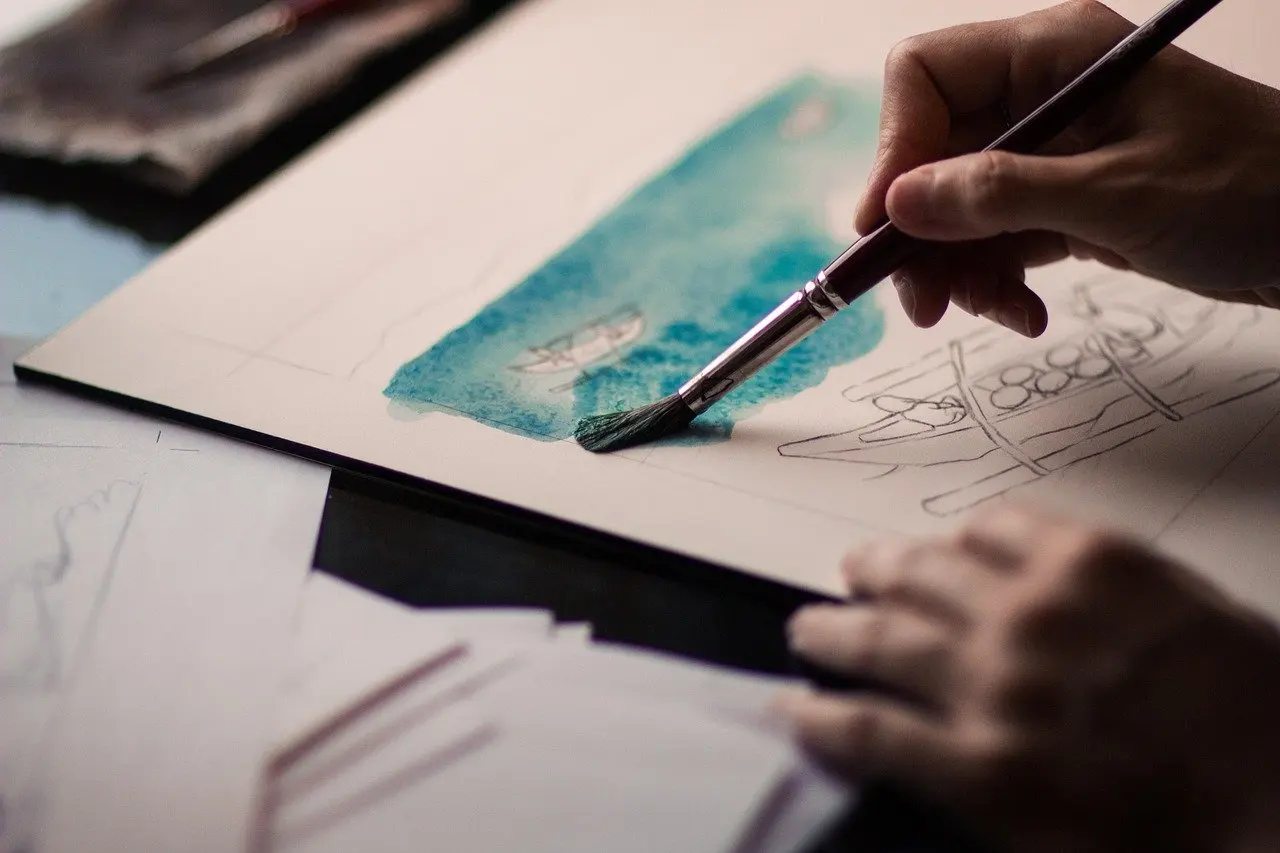
Resident input works best when it is built into the design stage rather than added afterwards. The Idealist guide recommends partnering with local artists, community groups or scout troops to recruit volunteers and brainstorm the design.
Finding an artist
The same guide suggests teaming up with art nonprofits such as Muralism or Groundswell to invite local artists to be part of the project. An artist who has led a group design process can turn many suggestions into one coherent image. That is more reliable than asking volunteers to design collectively on the wall.
Gathering and approving ideas
The Iowa State toolkit also provides strategies for engaging the community, and notes that the art-making process can aid in building bridges between diverse groups. Practically, that points to gathering themes first, having the artist draft a small-scale design, and then showing it to residents for approval. If the room is divided, return to the themes that several people raised rather than choosing the loudest suggestion.
Leaving room for volunteers’ marks
The Idealist guide encourages volunteers to leave their mark at the bottom of the mural, as signatures, initials or symbols. This gives participants a visible stake without altering the approved design above it.
Preparing the wall and choosing paint
Wall preparation and paint choice should be settled together, and the first decision is the wall’s location. The Idealist guide states that the type of paint needed depends on whether the blank wall is indoors or outdoors, so an outdoor wall calls for exterior paint.
Symptom: unsure which products to buy
Brand and sealant recommendations vary with the wall surface and the local weather, so ask the paint supplier for the manufacturer’s technical data sheet for each product. Check that it is rated for exterior use, suits the wall material and states how the surface should be prepared. A sealant should be confirmed in the same way, rather than assumed to be compatible with the paint beneath it. Purchase only once the artist and wall owner have both seen the data sheets.
Equipment and safety
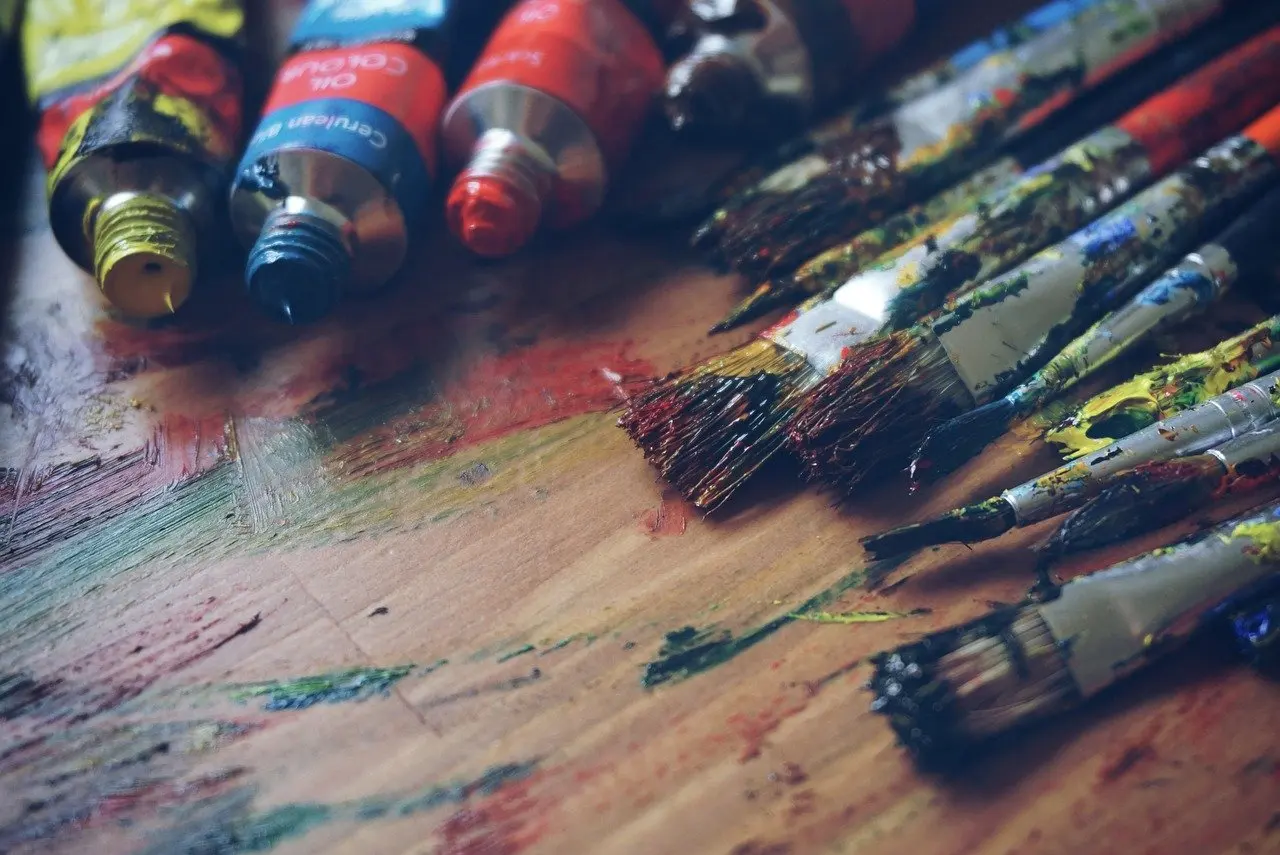
The Idealist supply list covers painter’s tape, various paint colours, brushes, gloves, stepladders, drop cloths and coveralls. A projector is useful for transferring the sketched design to a blank wall, which keeps volunteers working from the approved image instead of improvising. Because stepladders are on the list, tall walls need a plan for reaching upper areas safely, and that plan should be agreed with the wall owner.
Running the paint days
Paint days go best when the schedule suits volunteers and the site is safe. The Idealist guide notes that weekends may work better for volunteers, but the mural location should not have heavy foot traffic.
Symptom: the crew drifts or the wall looks uneven
Transfer the outline first, then let volunteers fill the larger colour areas while experienced painters take on detail. Keep the approved sketch beside the wall so anyone can check their section against it. Several short sessions are easier on volunteers than one long push, and the toolkit’s weeks to months timeframe leaves space for that.
Finishing the project
Plan on dedicating a couple of hours to clean-up once the mural is complete, according to the Idealist guide. Use the same visit to invite volunteers to add their marks and to thank the owner, donors and neighbourhood association. The Iowa State toolkit includes evaluation methods, which help judge how the process went before starting another wall.
Groups that enjoyed organising this project may also like how to start a community storytelling event, which applies a similar plan to spoken stories.
Frequently asked questions
| Question | Answer |
|---|---|
| What are the steps to organize a community mural from idea to finish? | Check permit needs, secure the owner’s agreement, build a budget, gather resident ideas, approve a design, prepare the wall, paint on volunteer-friendly days and finish with clean-up. |
| How do I get permission from a property owner and the city? | Contact the local city council or representative to ask whether a permit is needed for a public space, and obtain the wall owner’s agreement in writing. |
| How much does a community mural cost? | The Iowa State toolkit describes the range as free to low cost, with project cost varying. Its sample budget helps list supplies and other items for a specific wall. |
| Where can I find grants or funding? | Start with the toolkit’s funding strategies and state or local arts councils. In-kind donation requests are another route for paint and equipment. |
| How do I involve residents in the design? | Partner with local artists, community groups or scout troops to recruit volunteers and brainstorm. Then show a small-scale design for approval. |