Worried you’ll get your neighbors’ stories wrong? Knowing how to start a community memory project begins with purpose, partners and written consent. Settle those first, then record small and share carefully.
This guide is part of our collection of community stories resources, and it covers the planning stage before anyone presses record.
| Planning item | Value |
|---|---|
| Typical photographs per oral history | 1-2 photographs of the narrator |
| Suggested narrator review window for a transcript | 30 days |
| Parties needed for a memorandum of understanding | At least two |
| Who typically signs a consent/release form when working with a repository | The narrator and the interviewer |
These figures come from the UCI oral history toolkit and National Park Service guidance. They can change, so check the source before you rely on them.
Define your purpose, audience and scope
Your project is easier to finish when you can state its purpose in a sentence. The oral history toolkit from UCI Special Collections & Archives asks what the purpose of your project is and who your intended audience is. Your answers shape the questions you ask and the products you make.
Before recording, do some background research on what has already been collected about your subject. The same toolkit says this research helps you articulate a clear vision and the specific contribution your project will make to the historical record. National Park Service guidance for its own oral history work likewise starts with checking whether interviews on the topic already exist.
Then pin down the boundaries of your scope. Useful questions include:
- How many people do you want to interview?
- Which time period, geographical boundaries or events will the project focus on?
- Which products do you want: audio, video, transcripts, photographs, or exhibits and publications?
- Does the project name work aloud and fit comfortably in a web address?
If gathering stories is still a new idea for your group, read up on what is community storytelling before you fix the scope.
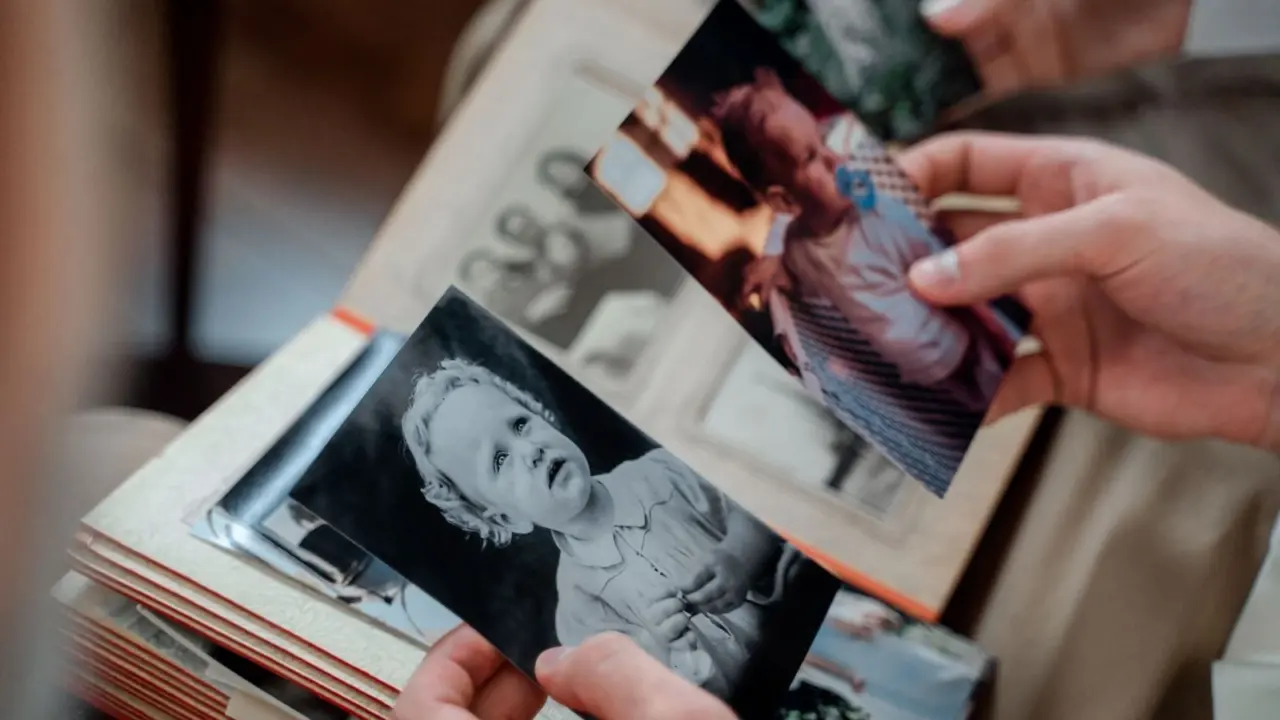
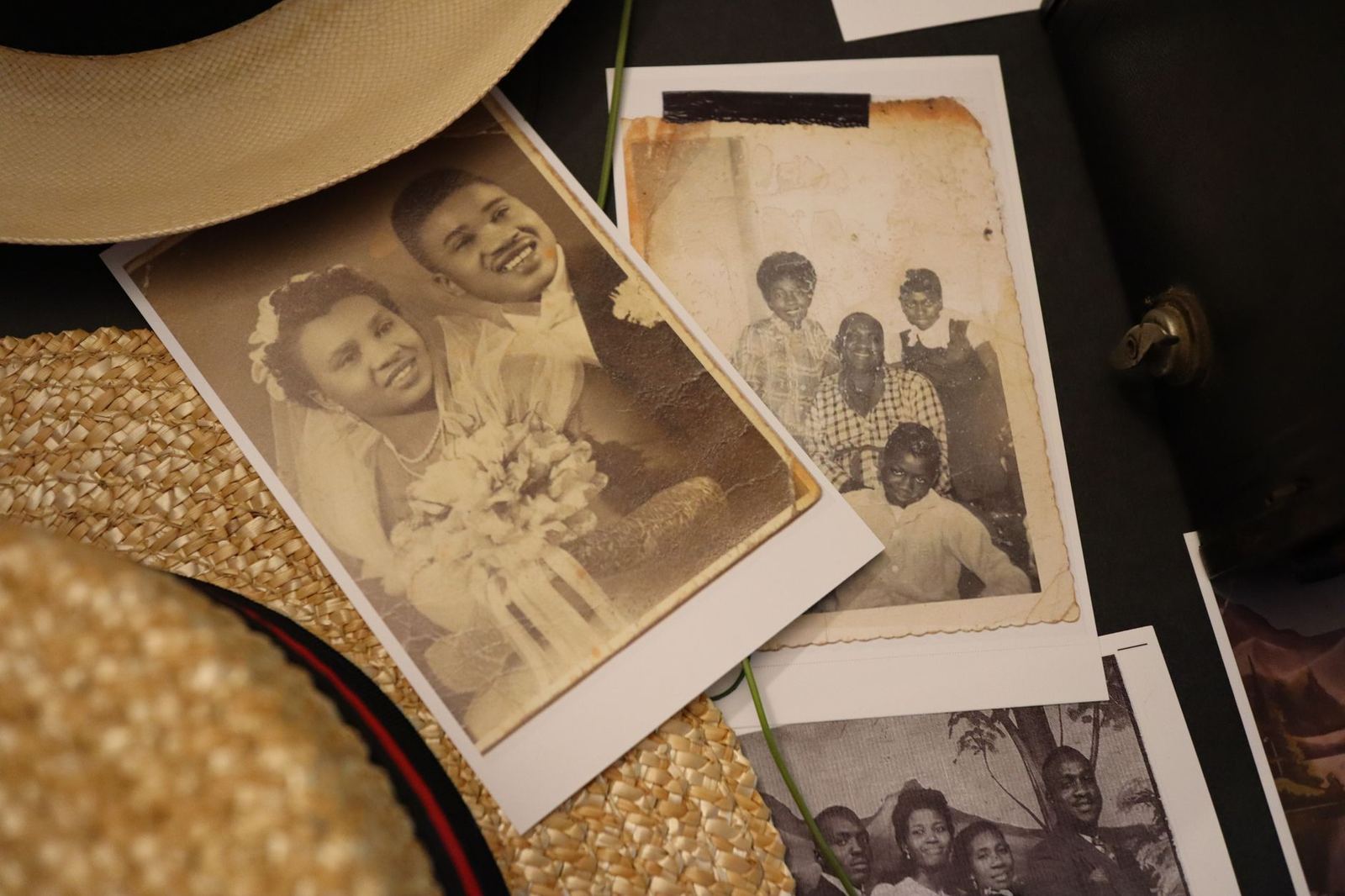
For anything bigger than a handful of interviews, the UCI toolkit suggests a tracking sheet, such as a spreadsheet or online form, so several people can submit recordings, consent forms and photographs. It also notes that each oral history typically includes 1-2 photographs of the narrator, taken during the interview or supplied by them.
Work with the community, not on it
UCI’s toolkit points out that institutions have historically used extractive practices, such as skipping equitable goal setting or clear expectations with community partners. Its advice is to work directly with the community to set goals and define the project scope. A volunteer-led project can follow the same logic.
One practical tool is a memorandum of understanding, a document between at least two parties that sets out expectations for the project’s outcome and management. The toolkit says it gives community members a formal way to shape the project. It also recommends sharing your interview questions with narrators and partners so they can advise on terminology.
The Boston Public Library’s oral history principles add several habits worth adopting:
- Guide the whole process by respect for narrators and their communities.
- Be sensitive to differences in power between interviewer and narrator.
- Protect both people from harm, since questions about painful experiences can be difficult or even harmful.
- Give narrators explicit permission control over making interviews public.
That guide adapts the Oral History Association’s Core Principles from 2020 and also points to the association’s 2022 guidelines for social-justice oriented oral history. Treat them as best practices and thought exercises rather than hard rules.
How do you handle consent and release forms?
Informed consent means the narrator understands the project and its outcomes, knows their role, and can decide what to share or opt out. The Boston Public Library forms guide calls documenting it vitally important and strongly recommends doing so before the interview. It also notes that its sample forms do not constitute legal advice.
Consent and copyright are separate matters. Montana State University’s guide explains that informed consent does not deal with copyright, while a release form establishes the intellectual property rights to the oral history. Some archives combine the two into one agreement.
You have a few ways to document permission:
- A consent and release form signed by narrator and interviewer.
- A recorded consent statement at the start of the interview.
- A spoken confirmation, such as asking whether you have permission to record, as an extra record of consent.
The University of Pittsburgh toolkit says every participant should complete a release, including the interviewer, and reminds you that the interview subject has copyright over their interview. It also advises having someone with a legal background review releases, since they are legally binding documents.
Timing matters too. Montana State’s guide says requesting signatures after the interview can confuse a narrator who feels the paperwork appeared unexpectedly. Walking them through the form first helps build trust.
Two further points can reduce worry:
- Ethics board review: Montana State’s guide says most oral histories do not require IRB review, but projects that draw broader conclusions from multiple people in an identifiable group may count as human research. If you are unsure, ask the relevant review office.
- Anonymity: UCI’s toolkit says it is common to offer anonymity to narrators who fear harm to themselves or others.
A practical planning sequence
Put the pieces together in a sensible order and you avoid most rework. This sequence draws on the guides above:
- Write a one-sentence purpose and name your audience.
- Check whether similar interviews already exist, and where they are kept.
- Meet community partners and record agreed goals and scope in writing.
- Draft interview questions and share them with narrators and partners.
- Prepare your consent and release paperwork, and have it reviewed.
- Hold a short pre-interview conversation with each narrator.
- Set up a tracking sheet and a plan for storing recordings and transcripts.
- Record, then share the transcript so narrators can correct it.
The pre-interview is an informal, non-recorded conversation where narrator and interviewer map out expectations, test equipment and craft questions together. It is part of informed consent, and it gives you a preview of how the real interview will feel.
For the review step, the National Park Service guidance encourages narrators to review a transcript within 30 days. It also suggests giving narrators copies of the recording and transcript to honor the time and expertise they shared.
Common pitfalls to avoid
Most problems trace back to skipped conversations rather than technical failures. Watch for these pitfalls:
- Handing over paperwork only after the interview, which can leave narrators confused.
- Treating consent as a single signature when the process calls for ongoing participation and consent.
- Publishing anything without the narrator’s explicit permission to make it public.
- Ignoring that narrators hold copyright in their interviews.
- Collecting recordings with no plan to preserve and archive them.
- Keeping stories to yourself and never returning copies to the people who gave them.
Once permission is clear, sharing can be modest. Our list of neighborhood newsletter ideas offers regular formats where a short, approved excerpt could live. The National Park Service guidance also stresses a preservation plan with labeled materials and metadata, which keeps recordings usable long after the first launch.
Frequently asked questions
Do I need ethics board approval to start?
Show answer
According to Montana State University’s guide, most oral histories do not require IRB review, especially when they focus on individual experiences. Projects meant to draw broader conclusions or inform policy may be treated as human research, so ask the relevant review office if you are unsure.
Is a recorded consent statement enough?
Show answer
The Boston Public Library guide accepts either a recorded consent statement or a signed consent and release form. Montana State’s guide, however, says every oral history needs a release form to be preserved in an archive, so plan for one if archiving is a goal.
Can a narrator stay anonymous?
Show answer
Yes. UCI’s toolkit says it is common to offer anonymity, particularly where an interview could put someone at risk of harm. It suggests options such as a pseudonym or limiting access to the transcript or audio.
How big should my first project be?
Show answer
That depends on your answers to the scope questions: how many people you will interview and which time period, place or events you will cover. The UCI toolkit poses exactly those questions, so answer them honestly before you recruit narrators.