
If you’re wondering how to research local history, start with one question about your place. Then work through newspapers, government records, maps and photographs, using free library guides to find them.
You can browse more guides like this one in the community stories section.
| Item | Value |
|---|---|
| Newspapers in Chronicling America | Over 600 newspapers |
| States those newspapers come from | 30 states |
| Years those newspapers were published | 1830s to 1922 |
| Cost to read Chronicling America | Freely available |
| Princeton local history guide, last updated | May 22, 2025 |
The figures come from the University of Memphis historical newspapers guide and the Princeton University Library local history guide. Collections grow and guides get revised, so check the source before you rely on them.
Start with a question about your place
Good local history begins with a narrow research question, not a pile of documents. Pick one street, building, business, club or event, and ask something you genuinely want answered, such as why a mill was built where it was or when a school first opened.
If you need a reminder of why the effort pays off, read about the importance of local history before you dive in. It helps to know what you hope to give back to your neighbours when the work is done.
Write your question down together with the place and the time period you care about. The Princeton guide frames every step around “the time and place you want to study”, and a clear boundary keeps you from drifting into centuries of unrelated material. You can always widen the window later.
What should you ask before you search?
The Princeton University Library guide, as of its May 2025 update, suggests a short checklist of starter questions for any local history project. You can read them on its U.S. local history research guide, and they translate well to any town.
- Is there any scholarly work by historians or other researchers on your time and place?
- Is there a magazine or journal that covers the history of your place?
- Which newspapers were published there, and how can you access them?
- Are there radio or TV broadcasts from the period?
- Are there local government documents that relate to your topic, and how can you reach them?
- Are there photographs or maps of that time and place?
- Are there personal memoirs, business records or other primary sources available to you?
Answer each one with a quick yes, no or maybe, and you have the outline of a research plan. The “no” answers tell you where to look harder, and the “yes” answers tell you where to start reading.
Existing scholarship is worth checking first because someone may already have done part of the work. Reading it also shows you which sources earlier writers relied on, which can save you hours of searching.
How to research local history in old newspapers
Historical newspapers are, in the words of the University of Memphis guide, excellent primary sources for research. They work well as a starting point, or as a supplement to research you have already begun. They record prices, meetings, weddings, accidents and advertisements that no official file would keep.
A good first stop is Chronicling America, a collection of over 600 newspapers from 30 states published between the 1830s and 1922, according to the University of Memphis guide. The guide says it is backed by the Library of Congress and the National Endowment for the Humanities, and that the newspapers are all freely available. It also notes the collection continues to grow, so a search that came up empty last year may work now.
Chronicling America will not cover every town or every year, so the same guide points to other places to look:
- newspaperarchives.com, for papers digitised by that service
- The Google News Historical Archives, which has an alphabetical listing of digitised papers
- State archives, which often hold papers from your own region
- Historical African American newspapers online, in a list compiled by Marist College from library and historical society digitisation projects
The guide also describes the United States Newspaper Program, a cooperative effort among the states and the federal government to locate, catalog and preserve newspapers on microfilm. If your town’s paper is not online, a library or archive may still hold it on microfilm.
Local government records, maps and photographs
Newspapers tell you what people said happened, while government records show what officials decided. Princeton’s guide asks whether local government documents are relevant to your research and how you can access them. Zoning decisions, council minutes and municipal files can explain why a neighbourhood looks the way it does.
The same guide offers a handy pattern for searching: combine a place with a topic. Its examples are “newark new jersey zoning” and “pittsburgh municipal records”. Swap in your own town, state and subject, and try several wordings.
- Write your town and state, then add one topic word such as zoning, schools or records.
- Run the search and note which organisations appear, such as libraries, historical societies and local offices.
- Try a second wording with a different topic word or an older place name.
- Record every promising result, even if you cannot open it yet.
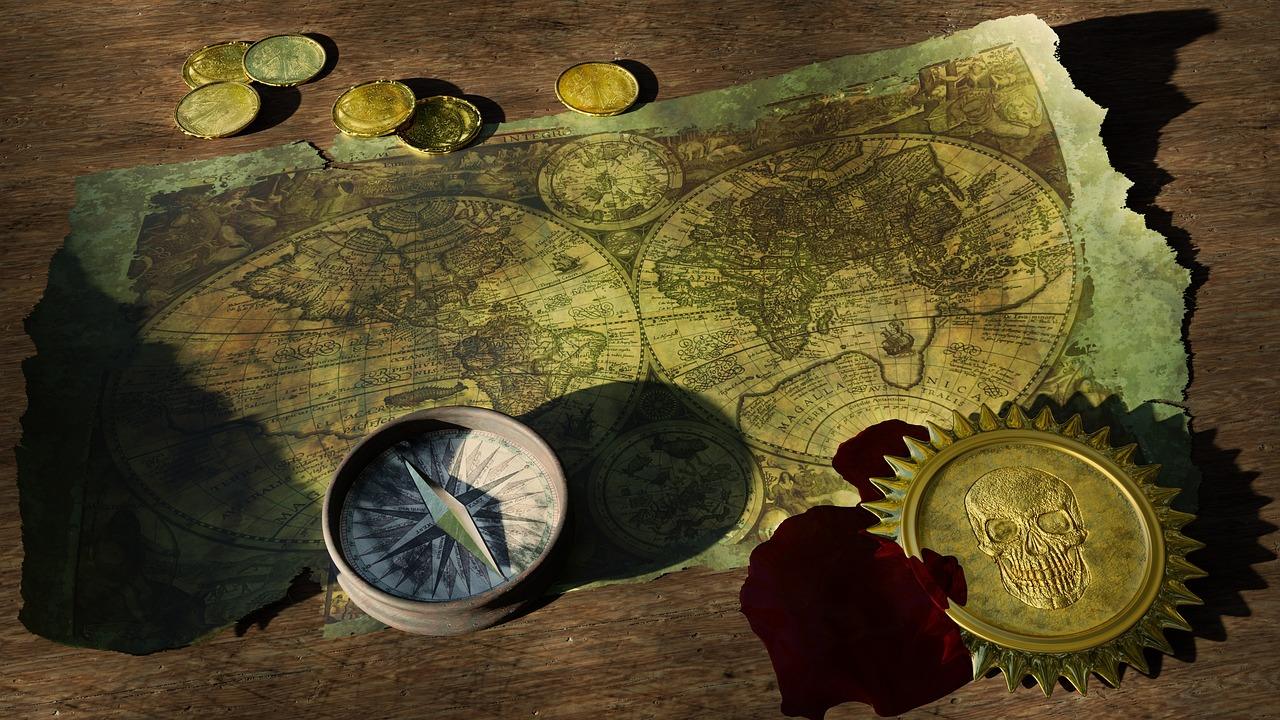
Princeton’s guide also has sections on maps and city directories and on genealogy and images. Maps show how streets and lots changed over time, and photographs let you compare a place then and now. Both are good ways to check what a written account claims.
How do archives and library catalogs help?
When a plain web search turns up nothing useful, Princeton’s guide suggests trying specialist finding tools such as WorldCat, ArchiveGrid and Archive Finder. They are the kind of tools that point you toward collections held by libraries and archives, rather than toward ready-made web pages. Searching them with your town’s name is a quick way to learn what exists and where.
If you are still unsure where to begin, the guide lists an encyclopedia of local history and a historical gazetteer of the United States as places to start. These give you background on names, boundaries and dates before you search for detail.
Do not hesitate to ask a person, too. The University of Memphis guide invites readers with questions about the online resources to contact a librarian for assistance. Most libraries have someone who knows their local collections better than any search engine does.
Talk to people and keep good notes
Documents rarely hold everything, and memories fill the gaps. If older relatives or neighbours remember the place you are studying, learn how to interview elders for family history so you can capture their stories carefully. A remembered detail can also send you back to the archives with a better search term.
Whatever you find, keep a source log from the first day. A simple log saves you from retracing your steps when you want to cite something months later:
- The title of the source and where you found it
- The web address or archive reference
- The date of the item and the date you looked at it
- A short note on what it says, with any quotation copied exactly
- Any question it raises for your next search
Compare accounts whenever you can. If a newspaper, a map and a memoir agree, you can write with confidence, and if they differ, you have found something worth explaining.
Frequently asked questions
Do I have to pay to search old newspapers?
Show answer
Not necessarily. The University of Memphis guide gathers historical U.S. newspapers that are available online and at no cost, and it describes the Chronicling America papers as freely available. Check each site’s own terms, since access can vary.
What if my town is not in Chronicling America?
Show answer
Try the other resources that guide lists, including state archives and the Google News Historical Archives. You can also search for microfilm holdings or look for your town in specialist tools such as ArchiveGrid, which Princeton’s guide names.
Can I research local history without newspapers?
Show answer
Yes. The Princeton guide also points to local government documents, photographs, maps, personal memoirs and business records. Many projects combine several kinds of source.
Where should I start if I feel stuck?
Show answer
Return to your research question and the starter checklist, then try the encyclopedia and gazetteer that the Princeton guide recommends. If you still have no direction, ask a librarian at your local or university library.