| Measure | Value | Planning use |
|---|---|---|
| Venue expenses paid directly to artists | 31% of expenses | Treat artist pay as a core cost when setting ticket prices, guarantees and door splits. |
| Stages hosting local artist showcases | 62% of stages | Local acts are a normal part of programming, so a well-prepared pitch from a local band is a mainstream request. |
| Venues operating year-round | 91% of venues | Plan around a full-year calendar of events, not a seasonal burst. |
| Off-site tourism spending linked to independent live events | $10.62 billion | Nearby shops, cafes and restaurants gain from show nights, which supports partnership pitches. |
| Total economic output of independent live stages | $153.1 billion | Use this figure when making the case for a venue to a council, funder or sponsor. |
| Largest part of an artist’s revenue | Venue pay and ticket revenue | Artists should negotiate show-night terms before chasing side income. |
The figures above come from the National Independent Venue Association’s State of Live study and, for artist income, a music venue’s guide to how musicians earn.
How do music venues make money? They combine ticket revenue, on-site sales and local partnerships, while covering costs such as artist fees, which took 31% of expenses in the national study.
This guide maps the whole business so owners, artists and neighbouring shops can see where they fit. Readers who want the small-room version can go straight to how do small music venues make money, and artists who want the booking side can read how do music venues book local bands.
How an independent music venue earns its income
An independent music venue earns money by selling access to a live experience and by selling things around it. The mix differs from room to room, and the sensible way to read any venue is to ask which streams carry the calendar and which only top it up.
Ticket sales and door income
Ticket revenue is the stream most directly tied to the music. It is also the stream shared most openly with artists, since a trade guide to musician income describes venue pay and ticket revenue as the money artists earn from performing. For a venue, that means the door is both income and a cost to be shared.
How the door is shared depends on the deal. A flat guarantee puts the risk on the venue, while a door deal puts more of it on the band. Bands weighing the two will find the trade-offs in door deal vs guarantee for bands. Whichever form is chosen, written terms before the show prevent most disputes about what counts as the door.

Room size and layout set the ceiling on ticket income. A larger seated room can sell more tickets per night, but it also needs a bigger audience to feel full, which makes a half-empty night more costly. A smaller room can look sold out on modest demand, and that sense of momentum helps the next booking.
Food, drink and other on-site sales
Many live rooms sit alongside a bar or kitchen, and that is where the audience spends beyond the ticket. For owners, the practical lesson is that a show is judged by the whole night’s takings, not by the door alone. A band that draws a modest door but a long, well-served evening can be worth more to the room than the ticket count suggests.

This is also why bars, cafes and restaurants that add live music treat it as a way to bring people in, not as a stand-alone business. Owners considering that route can follow how to host live music at a bar or cafe.
Merchandise
Merchandise is usually an artist’s income more than a venue’s. One venue’s guide to musician earnings notes that merchandise, even if it’s just t-shirts, can generate a lot of profit for artists. A venue that gives the merch table a visible, well-lit spot helps the acts it books earn more, which in turn makes the room more attractive to them.
Whether a venue takes a share of merchandise sales is a term to settle before the show, not at the table. Artists should ask the question when they confirm the date, and venues that do take a share should say so plainly in the booking terms.

Sponsorship and brand partnerships
Sponsorship adds income that does not depend on the size of the crowd on a given night. For a local business, it is a way to be visible to an audience that already likes going out. For a venue, it can fund a series, a festival day or a stage, as long as the arrangement is clear about what the sponsor receives.
Sponsorship also reaches the artists. The same musician-income guide points out that bigger artists with brands of their own can be asked to be sponsors for a product, which shows that brand deals sit at the top of the income ladder rather than at the start. Local acts are more likely to find value in smaller arrangements, such as a shop supporting a launch night in return for a mention.
Costs that shape the model
The income streams only matter when set against what it costs to put a show on. The national study of independent stages measured that 31% of venue expenses went directly to artists, so a large share of what a venue earns passes straight through to performers. That is the strongest reason ticket prices cannot be set casually.
Paying artists fairly
Artist pay is where a venue’s values show. Fair terms are visible in how the venue explains its split, whether it pays on time, and whether it asks bands to bring a certain number of people. Arrangements that make bands pay for their slot, or guarantee the venue’s takings at the artist’s expense, are covered in what is pay to play in music venues.
Artists can protect themselves by asking four simple things in writing: how the door is calculated, when payment is made, whether there are deductions, and whether merchandise carries a fee. Venues that answer without hesitation tend to be easier to work with over time.
The stage, the lights and the people who run them
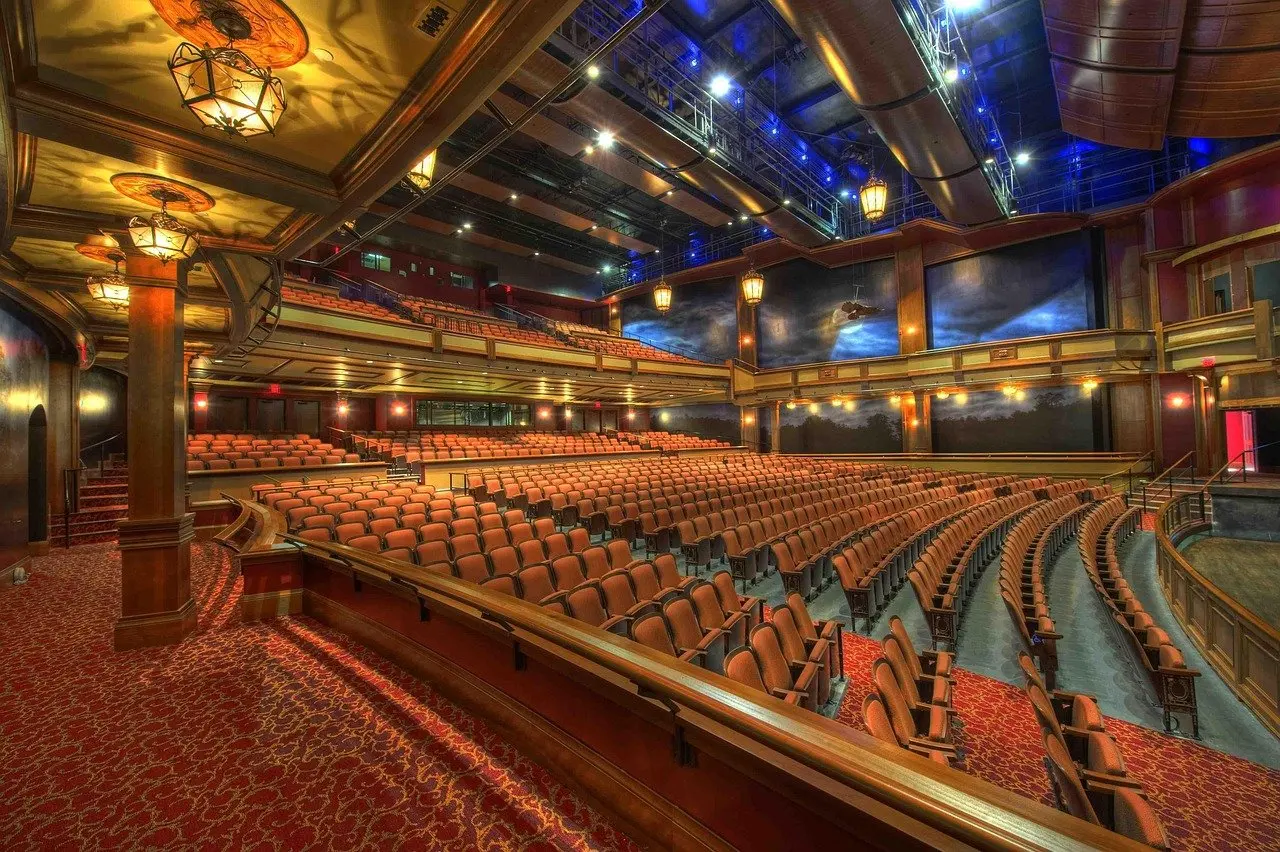
Behind each show sits a production cost that does not appear on a ticket. Sound, lighting, stage setup and the staff who run them all need to be in place before doors open. Venues absorb these costs, and they are a main reason a small room needs a steady calendar and cannot rely on a few big nights.
Local acts help most when they arrive prepared. Knowing the load-in routine, keeping changeovers short and communicating with the sound engineer all reduce the labour a night requires. The expectations are set out in venue etiquette for bands.
Door operations and ticketing
The entrance is where income is counted and safety is managed. Door staff check tickets, handle age or capacity limits and keep a record of attendance, which feeds directly into the settlement with the band. A clear door count is the foundation of any door deal.
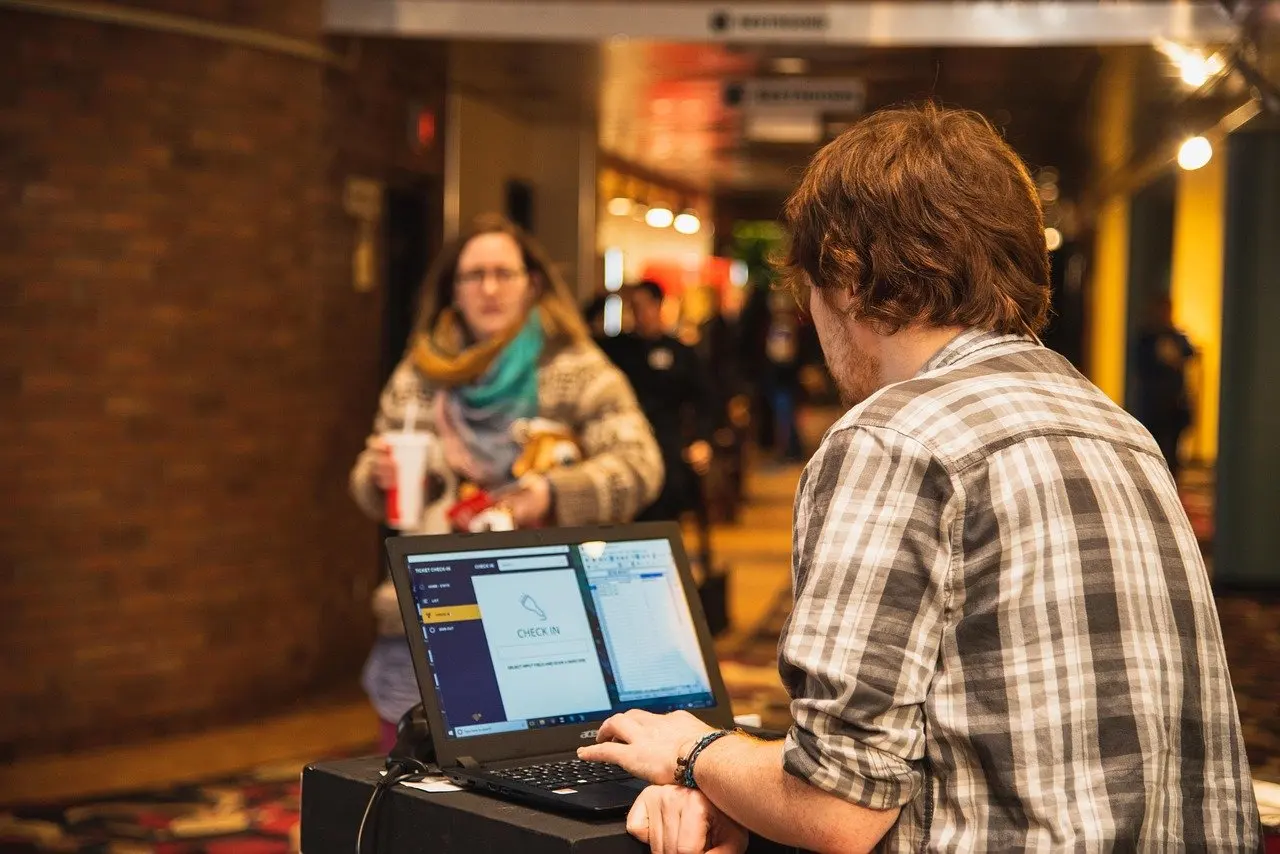
Venues that sell tickets in advance get an early read on demand, which helps with staffing and with deciding whether to promote harder. Bands benefit from the same information, since advance sales tell them whether their own promotion is working.
Licensing and permissions
Playing music in public carries licensing obligations for the business, and the rules differ by place and by type of use. Owners should treat this as a standard cost of doing business and check with the licensing bodies that apply in their area. The practical questions are explained in do venues need a music license for live music.
Working with local artists
Local artists are central to how small venues fill a calendar. In the national study, 62% of stages host local artist showcases, which makes local programming a standard feature of independent venues instead of a charity gesture. For a band, this means a venue is more likely to be open to a pitch than it may seem.
Booking and promotion
Booking is the point where a venue’s business needs meet an artist’s career needs. Venues look for acts that suit the room, fit the calendar and bring an audience. Artists look for fair terms and a night that helps them grow. The mechanics are covered in how do music venues book local bands.
Promoters often sit between the two. A promoter takes on the work and risk of building a bill and marketing it, and the venue provides the room. Anyone unsure how that role fits can read what does a local music promoter do.
Open mics and developing acts
Open mic nights serve two purposes at once. They give new performers a stage, and they give the host room a quiet night with a built-in audience of performers and their friends. They suit venues and cafes that want a low-cost way to test the appetite for live music before committing to a full calendar. A step-by-step approach is set out in how to run an open mic night.
Practice and preparation
Artists who book well are usually the ones who rehearse well. A reliable practice space makes shorter, tighter sets possible, and venues notice. Bands looking for a place to prepare can start with how to find a rehearsal space for your band.
Nearby shops and local business partnerships
A music venue does not operate in isolation. Its audience walks past other shops, eats nearby and often stays out after the show. The national study links independent live events to $10.62 billion in off-site tourism spending, which is the kind of spending nearby businesses can benefit from when a venue is busy.

How a local business can sponsor a music event
A local business can sponsor a music event by offering money, goods or services in return for visibility with the audience. Cash can cover production costs, while goods such as food, printing or equipment hire can reduce them. The strongest arrangements state in advance what the sponsor receives, such as a mention in promotion, a banner or a table at the event.
A sensible starting point for a shop is a single event or a small series rather than an open-ended commitment. That lets both sides see whether the partnership brings customers in. A fuller walk-through is in how local businesses sponsor music events.
Partnering with local artists
Businesses can partner with local artists in ways that cost little and help both sides. A shop can host a small in-store performance, display a poster for an upcoming show, commission music for an opening or feature an artist’s work. Because local showcases are already common at independent stages, there is a ready group of musicians open to this kind of collaboration.
Artists should treat these deals as business arrangements. Agreeing in advance on the fee, the time commitment and how the artist is credited prevents misunderstandings, and it protects the relationship if the partnership continues.
Record stores and creative retail
Record stores sit naturally between artists and audiences. They sell recordings, display posters and often serve as an unofficial notice board for the scene. The role they play is explored in how independent record stores support local artists.
Economic impact and why venues matter
Independent venues are more than entertainment. The national study measured $153.1 billion in total economic output, a $86.2 billion contribution to US GDP and 908,000 jobs supported, with $51.7 billion paid in wages and benefits. It also counted 183.7 million total fans served.
These are national totals, and they should be read as such. They show the scale of the sector, not what any one room earns. For a local owner, the more useful step is to look up the state-level reports the trade association released on October 8, 2025, which break the picture down by place and are better suited to a local funding or planning conversation.
Venue stability and closures
Venues that run all year are the norm among independent rooms, with 91% operating year-round. That regularity is what lets artists plan tours and fans plan nights out. When a room closes, the loss reaches the bands that played there, the staff it employed and the neighbouring businesses that benefited from its crowds. The causes and the community responses are discussed in why are small music venues closing.
Community and access
Some venues matter because of who they let in. Rooms that welcome younger audiences give new fans and new performers a start that bars alone cannot offer. The case is made in why all ages music venues matter.
Where to start by role
The right first step depends on who is reading. The choices below separate the common starting points.
- Venue owners: list every income stream, from tickets to bar sales and sponsorship, and compare them against the artist payments and production costs on a typical night. Use the state-level reports to put local figures beside the national picture.
- Local artists: ask for deal terms in writing, prepare a short pitch and be clear about your draw. Choose a guarantee when the audience is uncertain and a door deal when promotion is strong, and think about how merchandise fits.
- Shop and cafe owners: begin with a small, defined arrangement, such as sponsoring one night or displaying posters, then expand if customers respond.
- Fans and neighbours: buy tickets in advance, arrive early and spend at the bar and merch table. More ideas are in how to support local music venues.
Wait before committing to a sponsorship, a long residency or a deal with unclear terms until both sides have written down what each will provide. A short written agreement is cheaper than a dispute, and it keeps the relationship intact when a night goes badly.
Frequently asked questions
How do local music venues make money?
They earn from ticket and door income, on-site sales, merchandise arrangements and sponsorship, and they pay out artist fees and running costs from the total. The balance between those streams varies by room.
How can a local business sponsor a music event?
A business can offer cash, goods or services in exchange for visibility, such as a banner, a mention in promotion or a table. Agreeing the exchange in writing before the event keeps expectations clear.
How can businesses partner with local artists?
Shops and cafes can host short performances, display event posters or commission music for a launch. Because local showcases are common at independent stages, many artists are open to such arrangements when the fee and credit are agreed beforehand.
Where can local economic impact figures be found?
The national State of Live study from the independent venue trade association gives sector-wide totals, and state-level reports released on October 8, 2025 give a more local view for planning and funding conversations.