You want to record your neighbors’ stories but aren’t sure where to start. The best oral history project ideas pair one clear focus, like a street, a trade or a season, with consent and a plan for storage.
This guide is part of our community stories series on local voices.
| Item | Value |
|---|---|
| Key elements of oral history work | Four: preparation, interviewing, preservation, access |
| Details to state in the lead-in of each session | Four: names, full date, location, subject |
| Basic questions to answer about each topic | 6: who, what, when, where, why, how |
| Written agreement with the narrator | Completed before recording begins |
| Length of each interview session | Agreed in advance (approximate) |
These figures come from the Oral History Association’s best practices page and the Montana State University oral history handbook. Guidance can change, so check the sources before you rely on them.
Start with a focus, not a format
A neighborhood holds more stories than any one project can carry, so choose a focus first. A single street, trade, building or event gives narrators a shared frame and gives listeners a reason to press play.
The Oral History Association names four key elements of oral history work: preparation, interviewing, preservation, and access. It advises thinking about each at the start of any project, whether it is one interview or many, as described on its best practices page.
If you want background on how personal stories become shared local history, the explainer on what is community storytelling is a good place to begin.
Oral history project ideas that work in almost any neighborhood
The strongest projects are narrow enough to finish and open enough to surprise you. Treat the list below as a menu, and pick the one that matches the people you can actually reach.
- Street or block history: ask longtime residents who lived where, how the street looked, and what changed.
- Local trades and small businesses: record the barber, the baker, the repair shop owner and the people who shopped there.
- Food and recipes: follow a dish from kitchen to table, and ask who taught it and where the ingredients came from.
- Arrival stories: invite residents to describe when and why they moved to the area and what the first week felt like.
- Schools and playgrounds: gather childhood games, teachers, and the routes kids took home.
- Places of gathering: capture the story of a hall, club, market or congregation through the people who used it.
- One shared event: a flood, a blackout, a festival or a closure told from several viewpoints.
- Work lives: document a local employer, a shift pattern, or a trade that has faded.
- Young voices: ask teenagers what they would want preserved about the place they are growing up in.
Whichever you choose, write a one-paragraph statement of purpose. It will help you explain the project to every narrator in the same words.
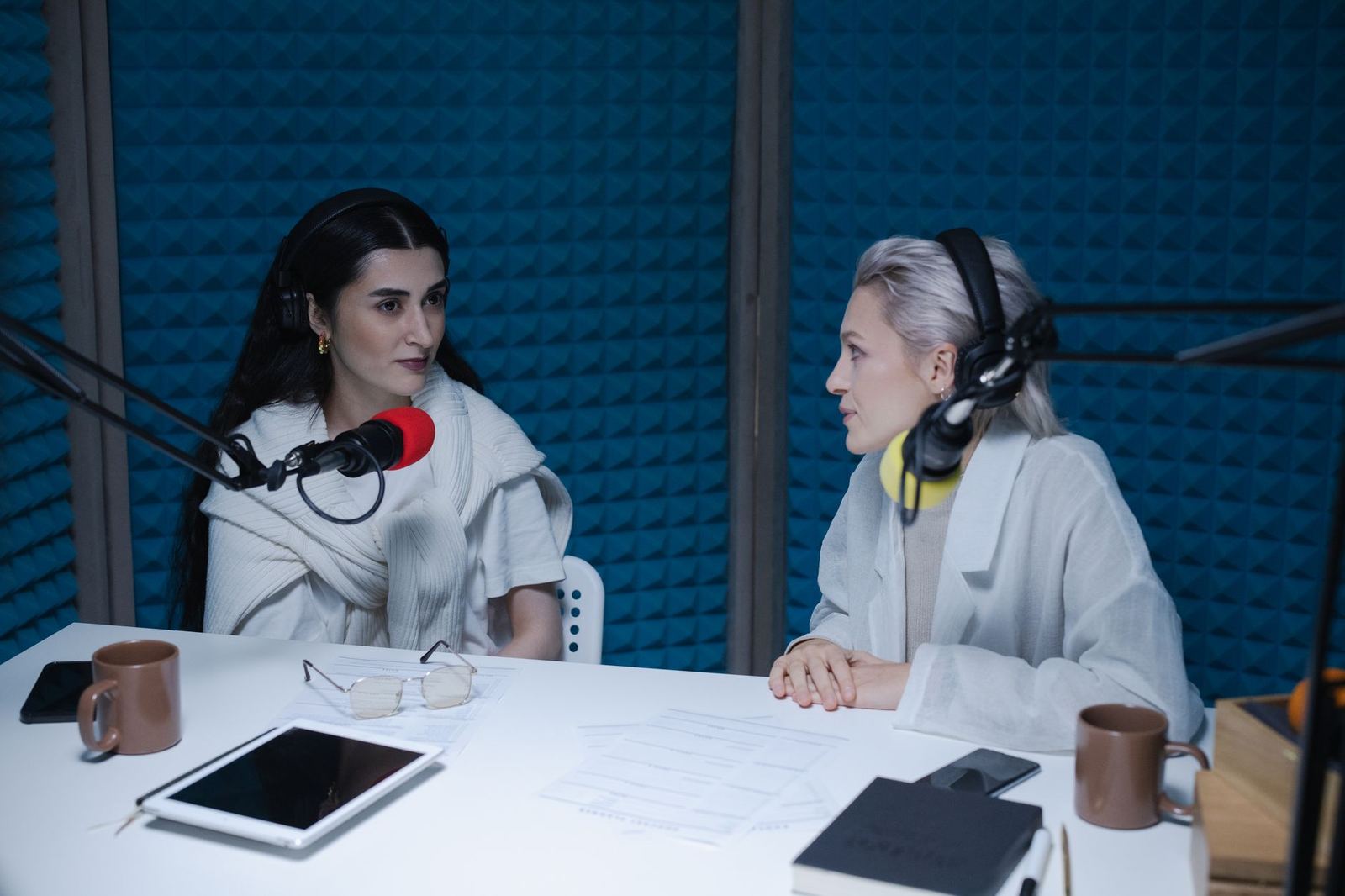
How do you choose narrators and get consent?
The Oral History Association says to choose narrators based on the relevance of their experiences to the subject, while striving to include as many diverse voices as possible. In a neighborhood, that means looking beyond the most visible or longest-standing residents.
Penn State University Libraries advises scheduling a pre-interview meeting that is not recorded. In it, you outline the purpose of the project, the scope of your questions and what will happen to the interview afterward, and then have the person sign a legal release form.
A release form matters for practical reasons too. The Montana State handbook notes that most historians and historical institutions will not accept interviews without release forms, which protect against libel and copyright concerns, as set out in its interviewing guide.
Consent is also about what happens next. The Oral History Association recommends, when possible, giving the narrator a chance to approve the oral history before public release, and the Boston Public Library guide states that narrators must give explicit permission to make interviews public.
Planning and running the interview
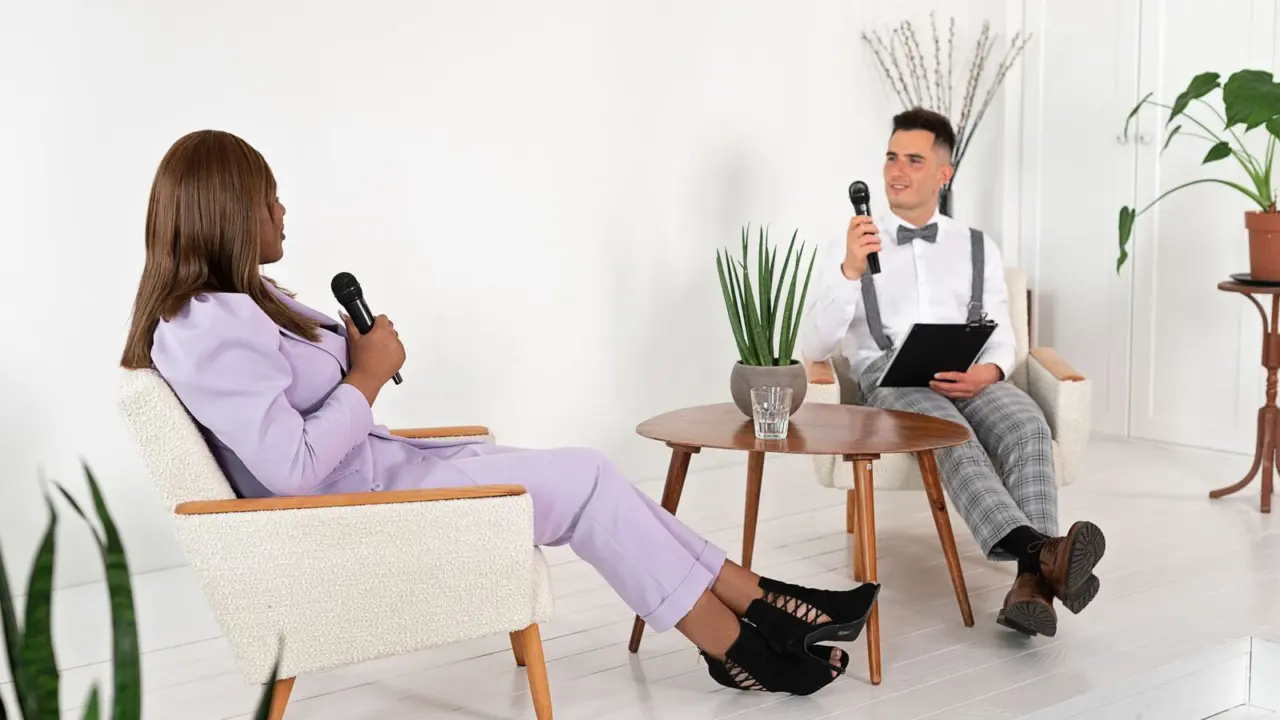
A good interview is prepared but not scripted. The Oral History Association asks interviewers to research the person, topic and historical context, and to prepare an open-ended guide or outline of themes rather than a fixed list of questions.
- Research the narrator and topic, using records, old maps, newspapers and informal conversations with people who know the area.
- Draft an outline of themes, and keep it flexible enough to follow the conversation.
- Choose a quiet place with minimal background noise and distractions.
- Record a lead-in stating the names, the full date, the location and the proposed subject.
- Ask one question at a time, then follow up for detail and clarification.
- Close with a final story or summary, and thank the narrator.
The Montana State handbook suggests starting with a biographical question, ordering questions chronologically and ending the outline with a final illustrative story or summary. It also recommends covering the six basics for each topic: who did what, when, where, why and how.
Silence is part of the method. The same handbook says not to worry about pauses and to let the interviewee collect their thoughts at their own pace, and to show interest with nods and smiles instead of filling the recording with “uh-huh.”
Many neighborhood projects begin with older residents. The guide on how to interview elders for family history goes deeper on pacing and rapport for those conversations.
You can also invite narrators to review the outline and to bring photographs, scrapbooks, clippings or other mementos that might stimulate memories. A photo of a long-gone shopfront can open a story that a direct question never would.
Agree on a session length in advance, but stay flexible. The Oral History Association notes that sessions can be cut short, interrupted or run long, and Montana State advises suggesting a break if the narrator looks tired.
Where should the recordings live?
Decide on a repository early, before you record anything. The Oral History Association says to locate one that fits the project’s goals, can preserve the recordings, can enforce signed agreements and will make the material accessible to the public.
For a neighborhood project, that might be a public library, a local archive or a university special collection. Ask whether it will accept your files, in what format, and under what conditions.
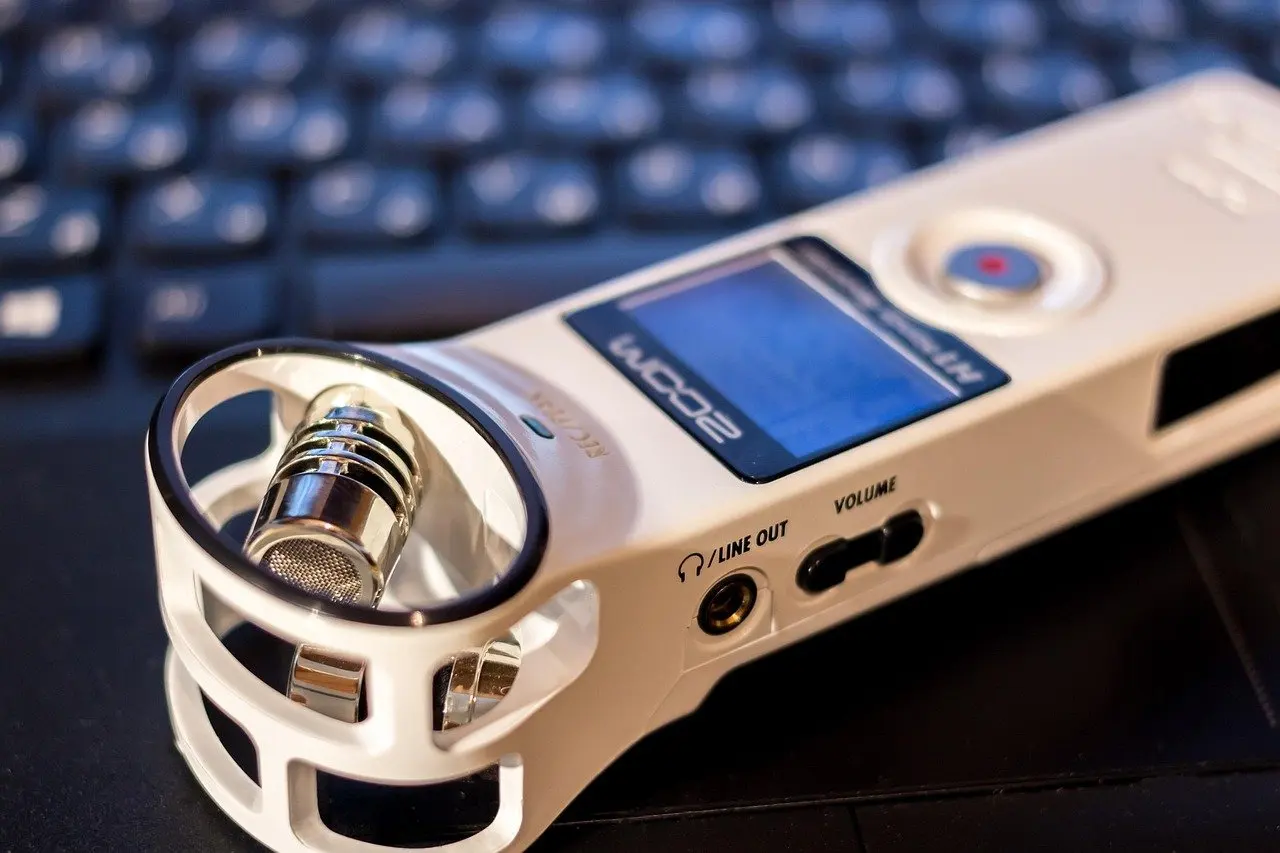
Recording quality also affects the future. The Association advises creating a high-quality audio or video recording whenever possible, with future audiences and long-term preservation in mind.
Penn State’s guide adds that, after the interview, you should keep files and documentation secure, transfer them to a pre-approved repository, and fully transcribe the interview and write a description or guide to make it easier to use.
Care for the people behind the stories
Neighborhood history is personal, and some memories hurt. The Boston Public Library guide cautions that questions about painful experiences can be difficult or even harmful, particularly for narrators, so approach each interview with care.
The same guide adapts principles from the Oral History Association, including respect for narrators and their communities, sensitivity to differences in power and transparency about how interviews will be used. It also points to guidelines for social-justice oriented oral history that the Association adopted in 2022, as the Boston Public Library guide explains.
The Oral History Association also reminds interviewers that narrators belong to communities, some with historically complex relationships with researchers. It suggests that plans for community engagement might include a community advisory board, events for sharing findings and oral history training.
That last idea suits neighborhood projects well. Sharing what you learn back with the people who gave you their stories is a good test of whether the project serves the place it describes.
Frequently asked questions
Do I need training before I start an oral history project?
Show answer
The Oral History Association says first-time interviewers and others involved in oral history projects should seek training, whether they work on individual research or a community project.
Do I need a signed form from every narrator?
Show answer
Yes, plan on it. Penn State and Montana State both describe a release form as part of the process, and the Oral History Association adds that informed consent should be documented.
Can I record audio only?
Show answer
Yes. The Oral History Association describes the recording as audio or video, so choose the format your narrator is comfortable with and your repository can accept.
What if a narrator wants to stop or skip a topic?
Show answer
Respect it. Penn State advises staying within the project’s scope and respecting the interviewee’s rights, including avoiding restricted topics, and Montana State suggests a break when a narrator looks tired.