Wondering how to start an open mic night? You need a venue with a quiet night, a simple format, basic sound gear and a steady weekly slot. Start small and stay consistent.
An open mic is one doorway into the local music and arts scene, and this guide walks through how one comes together.
| Item | Value |
|---|---|
| Basic sound setup budget | 500 to 1500 dollars |
| Host pay (plus a bar tab) | 50 to 100 dollars per night |
| Performer list that keeps a night under two hours | 15 to 20 performers |
| Standard comedy set length | 5 minutes per act |
| Time for a new mic to become a fixture | Two to three months |
These figures come from a Denver venue and host guide and an organizer guide for comedy open mics. Prices and norms differ by city and room and can change, so check the sources before you rely on them.
Find a room that wants you
Every open mic starts with a host venue. A venue gains from the arrangement because open mics bring reliable, repeat traffic on nights that might otherwise be slow, according to the Denver guide.
Good places to ask include:
- Local coffee houses and small bars, which may have slow nights that benefit from people coming in to play.
- A club house or youth center, if you belong to one and can use it.
- Small festivals or events, which often need volunteers and ideas.
- A private home, but only for a closely knit group, since an audio engineer’s guide advises against advertising your address to the general public.
When you pitch a venue, lead with the benefit to the business. The same audio guide suggests making a monetary argument, because that works better with managers and business owners.
An organizer guide describes the deal this way: you bring performers who buy drinks, and the venue gives you the space free. It also suggests a quiet-night pub with a separate room or corner that can hold 20-40 people, and says to avoid rooms where the mic competes with a till or a TV.
Pick a quiet night if you can. That organizer guide points to Monday to Wednesday, when venues are quiet and glad of the trade and you are not competing with weekend showcases, though it adds that consistency matters more than the specific night.
Choose a format and a sign-up method
Decide what kind of night you want before you tell anyone about it. The Denver guide splits the choices like this:
- Comedy mics attract comics who typically do 3-5 minute sets.
- Music mics feature 2-3 songs per performer, with acoustic or full-band formats.
- Poetry mics create intimate listening environments.
- Mixed mics welcome everything and draw the widest variety of talent.
Look at what already runs near you and fill a gap. A music-focused night in a neighborhood with no stage for songwriters will feel more useful than a fourth copy of the same format.
Next, choose a sign-up method. The Denver guide names two standard options: first-come sign-up sheets, which reward early arrivals, and random bucket draws, which are fairer but can frustrate people who showed up early. A hybrid also works: the organizer guide suggests pre-booking most spots and holding 2-3 walk-up spots for the night.
Whatever you choose, write it down and keep to it. Here is a simple order of work:
- Pick the format: music, comedy, poetry or mixed.
- Set a slot length and say it out loud at every event.
- Choose first-come, bucket draw or a hybrid for sign-ups.
- Cap the list so the night has a clear end time.
The cap matters more than it looks. According to the Denver guide, 15 to 20 performers keeps the night under two hours. The comedy organizer guide lands in a similar place, with 10-14 spots of 5 minutes each for a two-hour night, and warns that beyond 15 acts the audience checks out and the last acts play to an empty room.
What gear does a simple open mic need?
Less than you might expect. At minimum, the Denver guide says you need a PA system with one vocal microphone and a microphone stand. For music nights it adds a DI box for acoustic guitars and a second mic for instruments.
A simple mixer, two speakers and basic stage lighting will handle most formats. The same guide suggests budgeting around 500 to 1500 dollars for a basic setup that sounds good, and notes that many venues start with a portable PA and upgrade as the night grows.
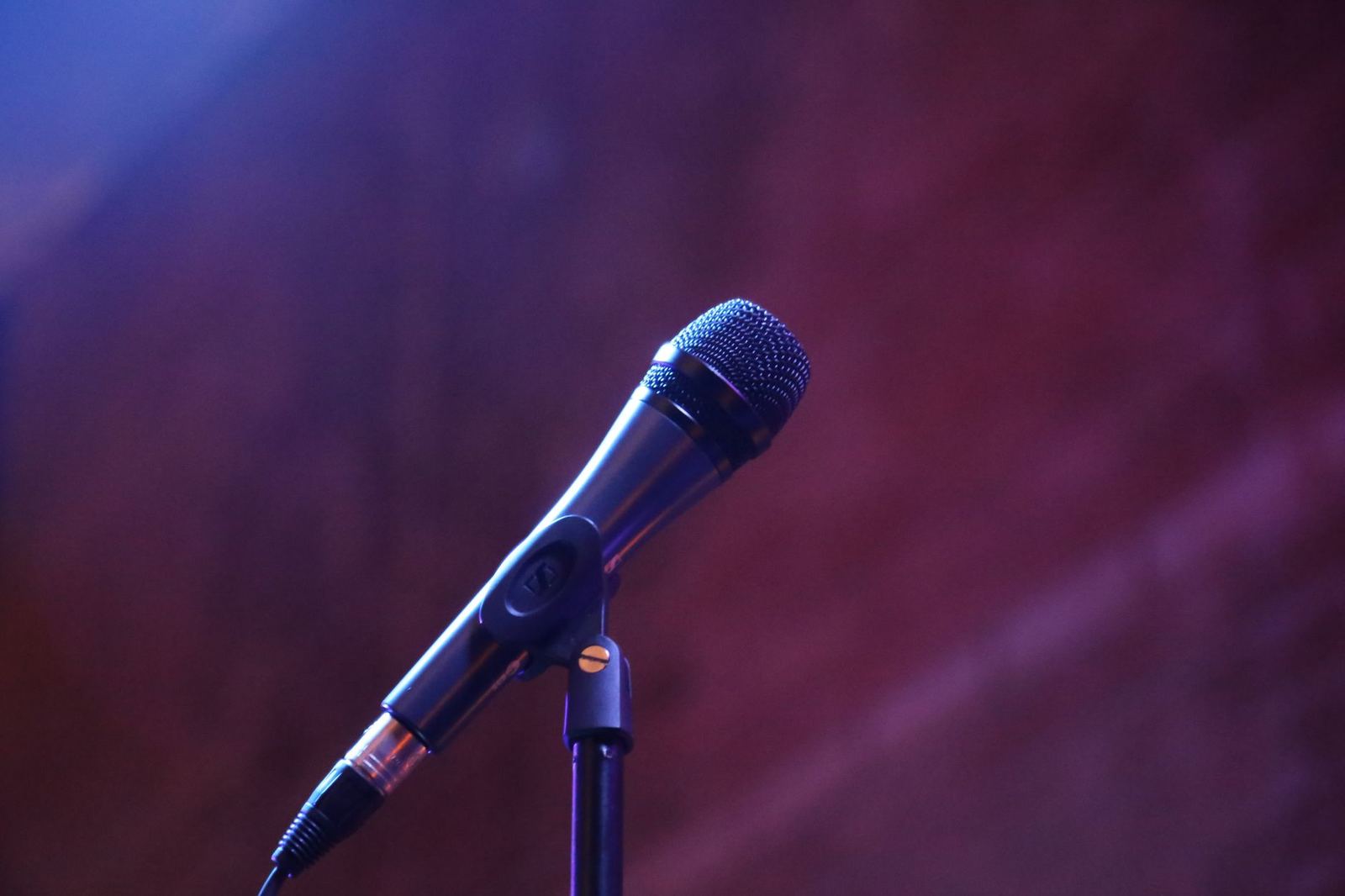
Keep the setup compact and modest. The audio engineer’s guide points out that small live shows do not need thousands of dollars worth of equipment, and that a typical night is a single guitar player singing, with instruments usually not exceeding three. It suggests small mixers with 5 to 12 channels.
Before you buy anything, ask the venue what it already owns. A beginner’s guide for performers says the venue typically provides basic house equipment, such as microphones and speakers, while performers bring their own instruments and essentials.
Find a host and run the night
The host sets the tone. A good one keeps the energy up between acts, manages the sign-up list fairly, enforces time limits without being harsh and makes first-timers feel welcome. If you are not comfortable at the mic yourself, line up someone who is.
Paying the host helps keep a good one. The Denver guide says even 50 to 100 dollars per night plus a bar tab shows you value their work, and that many working performers make excellent hosts because they understand both sides of the stage.
Once the doors open, the same guide’s running checklist is hard to improve on:
- Start on time.
- Set clear expectations about set lengths.
- Give performers a one-minute warning.
- Keep transitions tight.
- Thank every performer by name.
- Handle sound issues quickly.
Courtesy runs both ways. A stage etiquette checklist from a microphone maker tells performers to thank the host, the venue, the audience and other performers. The same piece notes that a weekly open mic can become a tight-knit community because of the support performers give each other, so say that out loud at the start of the night.
Build the habit and the audience
A new open mic grows through repetition. The Denver guide puts it simply: same night, same time, every week. The organizer guide says most rooms take two to three months to become a fixture on the local circuit, so do not judge the night by its first few weeks.
The same guide warns against cancelling quiet weeks, because after you cancel twice the circuit assumes you are gone. Run the quiet ones short and end early instead.
For promotion, keep it low-cost and local. The Denver guide lists these ideas:
- Promote on social media with a consistent hashtag.
- Create a recurring event listing.
- Post flyers at other venues and music shops.
- Lean on word of mouth, which it calls the strongest driver in the open mic community.
The comedy organizer guide also names the habits that sink new nights:
- Chaotic sign-ups, such as a list that lives in your direct messages.
- Running long because time limits are not enforced.
- No audience plan, so performers wait to go on with nobody to play to.
- Cancelling quiet weeks.
- Never filtering the list, so one act eats the room’s goodwill every week.
Fixing the audience problem is mostly a matter of manners. The same guide suggests encouraging acts to stay for the whole night, and giving the venue’s regulars a reason to wander in.
Open mics are one of several community events that thrive on a regular rhythm, and the explainer on what is an art walk shows the same pattern in a different art form. Singers who would rather harmonize than go solo may also want to read what is a community choir as a companion to your night.
Frequently asked questions
Do open mic performers get paid?
Show answer
Usually not. The organizer guide describes open mics as stage-time-for-free rooms where acts work out new material. What you owe performers instead is a well-run night with accurate set times, a working mic and an audience that is not being talked over.
How many performers should I allow per night?
Show answer
For a two-hour night, the comedy organizer guide suggests 10-14 spots of 5 minutes each, plus an MC and a short interval. Pick a number, publish it and stick to it so people know what to expect.
Should sign-ups be first-come or pre-booked?
Show answer
Both work. First-come sheets reward early arrivals, while pre-booking lets you cap the list and plan the night. A hybrid is a sensible middle: the organizer guide suggests pre-booking most spots and holding 2-3 walk-up spots.
How long until a new open mic catches on?
Show answer
Be patient. The organizer guide says most rooms take two to three months to become a fixture on the local circuit, and that running it every week is what builds the habit.
How much does the sound equipment cost?
Show answer
The Denver guide suggests budgeting around 500 to 1500 dollars for a basic setup that sounds good. Ask the venue first, since it may already have house microphones and speakers.