How does music build community? It connects people of all ages and backgrounds, and making it together strengthens social bonds. Choose your first move: record local stories, join or start a music group, or back local art.
Local stories and local music belong together. MusiCare describes music as more than sound: it is the connection, the stories and the memories. For a longer treatment of the identity question, see the guide on how does music shape community identity. The sections below sort the other starting points by what you want to do.
Choose your first move
Four criteria settle most choices: the time you can give, whether you prefer talking with people or making things, what already exists in your area, and who the finished work should reach. Time is usually the deciding factor. Recording stories and organizing events need sustained effort, while joining an existing group asks mainly for regular attendance.
- You enjoy asking questions and listening. Begin with a recorded conversation. The guide on how to document community oral history covers the whole project, and the one on how to interview elders about local history prepares you for the first sit-down.
- You would rather sing or play. Look for an existing group before starting a new one. If none suits you, how to start a community choir explains how to build one from nothing.
- You like organizing people. A storytelling night, a mural or a festival gives neighbors a shared date and a shared result. Each has its own walkthrough later in this guide.
- You prefer writing, audio or video. Stories can become a blog, a podcast or a short film, and each suits a different level of technical comfort.
- You are new and want to see what exists. Spend a few weeks attending before committing. That is the cheapest way to learn which groups are active and which gaps your skills could fill.
Whichever route you pick, a project becomes easier when a host is already in place. Libraries, community centers and neighborhood associations often have rooms, mailing lists or notice boards, and the later sections show how to use them. First, it helps to understand why music in particular holds communities together, because that explains why stories and sound are so often paired.
How music builds belonging
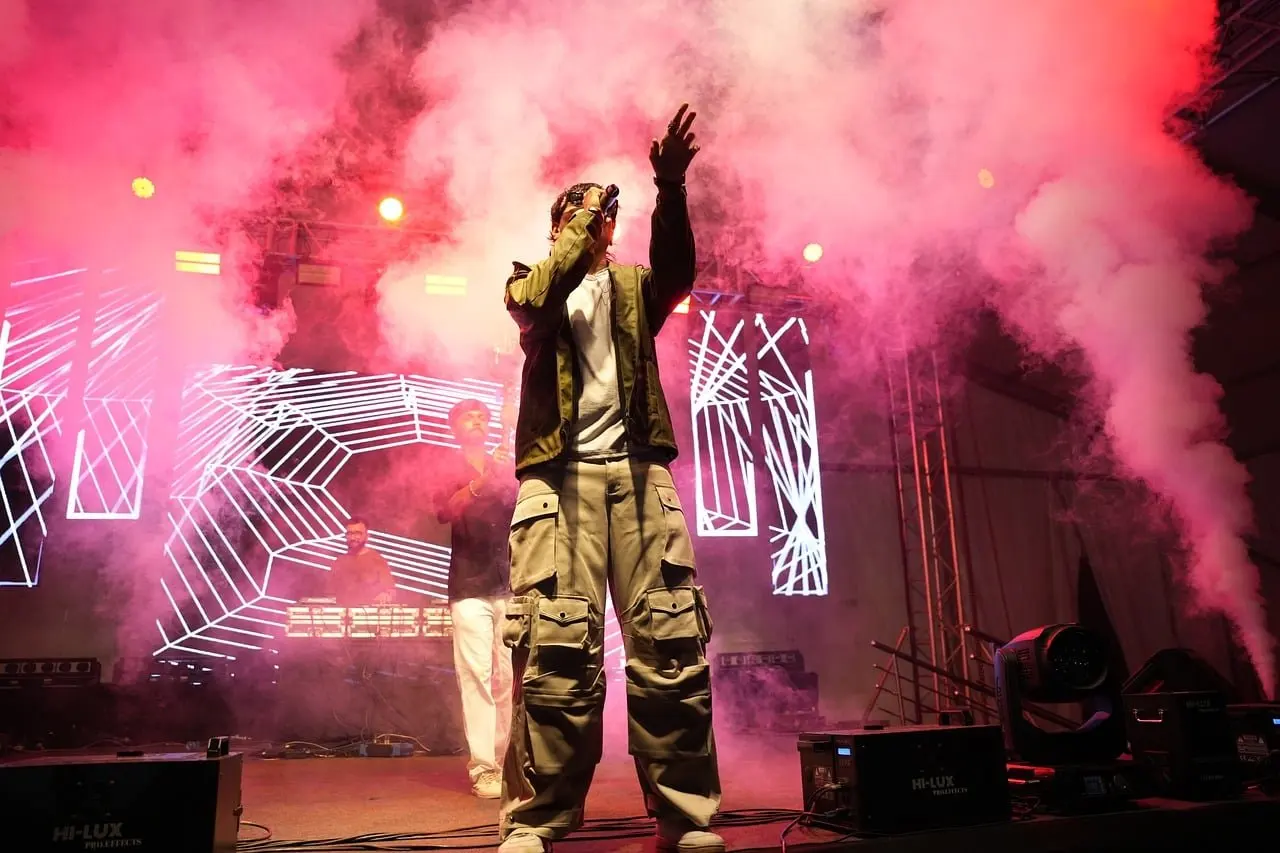
Music builds community by giving people a shared experience that does not depend on age, background or even a common language. A newsletter from Doing Good Together says music has the power to transcend language barriers and to connect people of all ages and backgrounds. It adds that music can bring people together like no other force on earth. That is a strong claim from a values-driven organization rather than a research finding, but it matches what organizers see at concerts, sing-alongs and street events: strangers end up facing the same direction.
Why shared music-making matters
Listening together is one thing. Making music together is another. MusiCare states that music has the potential to strengthen bonds in society, and that being part of a collective is always a soul-affirming experience. The practical point is that participation lowers the barrier between neighbors. A person who has sung a harmony beside someone for a season has a reason to greet them at the shop afterward.
From sound to local identity
A local music scene shapes a community’s identity because songs, venues and performers become part of how a place describes itself. MusiCare calls music the connection, the stories and the memories, which suggests why a scene is more than entertainment: it stores recollection. A wedding band, a church choir or a neighborhood open mic each carries memories that residents recognize as theirs. The Wayne State University storytelling journal makes a related point about narrative in general. It says storytelling connects the past to the present and helps people conceptualize history. Music scenes do that work through sound as well as speech.
This is why documenting a scene matters as much as attending it. Posters, set lists, recordings and the recollections of long-time performers are easy to lose. The guide on how to preserve local music history covers saving that material, and the oral history methods in the next section apply directly to interviews with musicians, promoters and regulars.
Music-led community building does have limits. A single concert will not create lasting ties on its own, and a scene depends on people who keep showing up. The strongest outcomes tend to come when events repeat, when newcomers have an easy way in, and when stories about past events are collected and shared so that new participants understand what they are joining.
Starting an oral history project
An oral history project begins with a simple purpose: to record people’s first-hand accounts so that they can be kept and shared. The Wayne State University storytelling journal puts the aim as shedding light on the past, informing the present and inspiring the future. A Mountains to Sound Greenway workshop write-up describes the purpose as preserving stories, activating archives and connecting communities across generations. For a neighborhood, the second description is the more practical test: if the recordings will not reach younger residents, rethink how they are shared.
Pick a focus before picking equipment
A narrow focus produces better interviews than a broad one. A street, a venue, a festival, a trade or a school choir each gives interviewees a clear frame and gives you a natural end point. If you lean toward a music theme, begin with a venue or a band that people still talk about. If you lean toward general neighborhood history, begin with the people who have lived there longest. The step-by-step approach to those conversations sits in the guide on how to interview elders about local history, which is the fuller treatment of what this guide only introduces.
Equipment that is enough
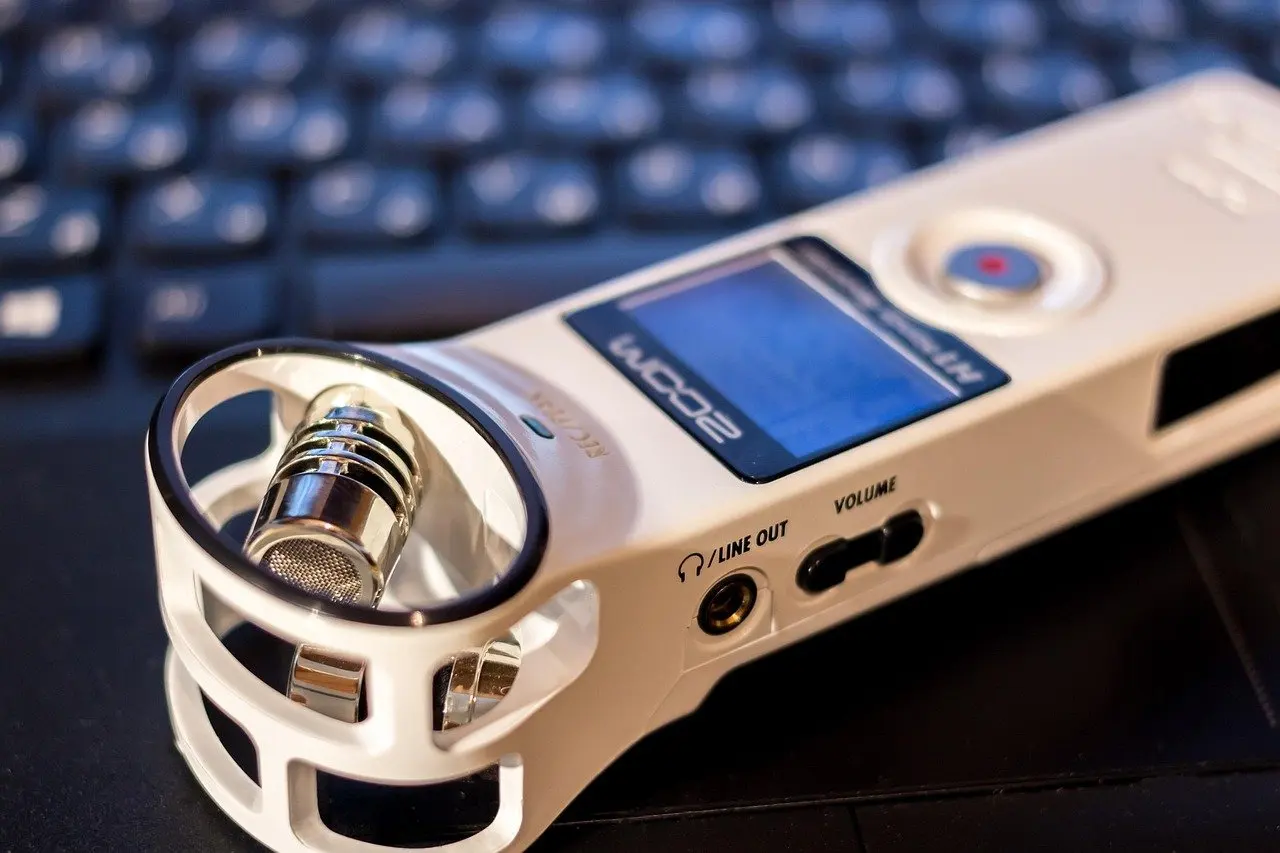
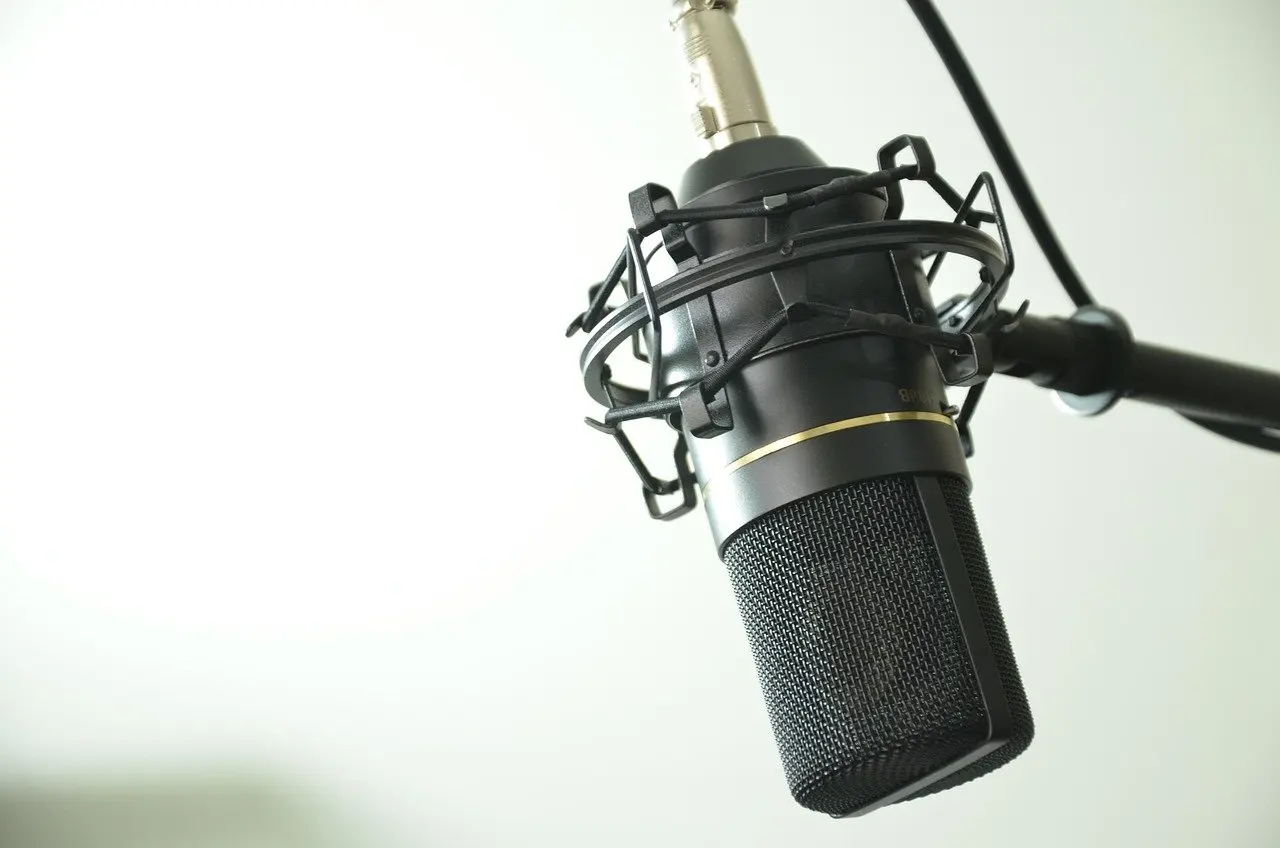
Equipment should not delay the first interview. The Greenway write-up notes that reliable microphones are available for as low as $30, which means a lack of budget is not a reason to wait. A dependable microphone matters more than a sophisticated recorder, because poor audio is the flaw that is hardest to fix afterward. Test the setup in the room you will use, and listen back before the real conversation.
Naming, filing and backing up
Recordings only become an archive if they can be found again. The Greenway guidance recommends file names that include the date of recording, the project name and a brief description of the content. It also recommends the 3-2-1 backup rule: keep three copies of each file, store them on two different types of storage, and keep one copy offsite. The naming habit costs seconds per file and saves hours later. The backup rule protects the one irreplaceable asset in the project, which is a person’s voice. When your collection outgrows a folder on a laptop, how to start a community archive explains how to give it a permanent home.
Who owns the stories
Ownership should be settled openly before recording starts. The Greenway program states that it ensures participants retain copyright over their stories, rather than having them become university property. Not every project has to adopt the same arrangement, but the principle is worth copying: interviewees should understand how their words will be kept and used, and the arrangement should be written down. A project run by a neighborhood association or a group of volunteers is no exception, and clear terms protect everyone involved.
Where libraries fit
A public library is a natural partner. The Wayne State University storytelling journal calls oral history a valuable tool for preparing local history programs in libraries, and it offers general guidelines for librarians who want to incorporate the collecting of oral histories. For a reader, the implication is practical. Library staff may already understand local history programming, and a library can often provide a quiet room, a public audience and a place for recordings to be known about. Ask what the library can offer before buying anything.
Sharing stories: libraries, events and local media
Collecting stories is half of the job. A story that sits on a hard drive does not build community, so decide early where it will be heard. The best choice depends on who you want to reach and how much production work you can sustain.
Library rooms and partner venues
Libraries have been a home for spoken stories for a long time. The Wayne State journal notes that storytelling was first introduced into library programming in the early twentieth century. The Greenway write-up suggests hosting events by collaborating with community centers, libraries and coffee shops to reach a wider audience. The advantage of a partner venue is that it brings its own regulars, so the audience is not limited to people who already know your project. The guide on how to start a community storytelling event covers the planning of a live evening, from choosing storytellers to running the room.
Choose a live event when your interviewees enjoy an audience and when you have volunteers to run the room. Choose a recorded format when speakers are reluctant to appear in public or when their stories are better heard in a quiet setting.
Radio and podcasts
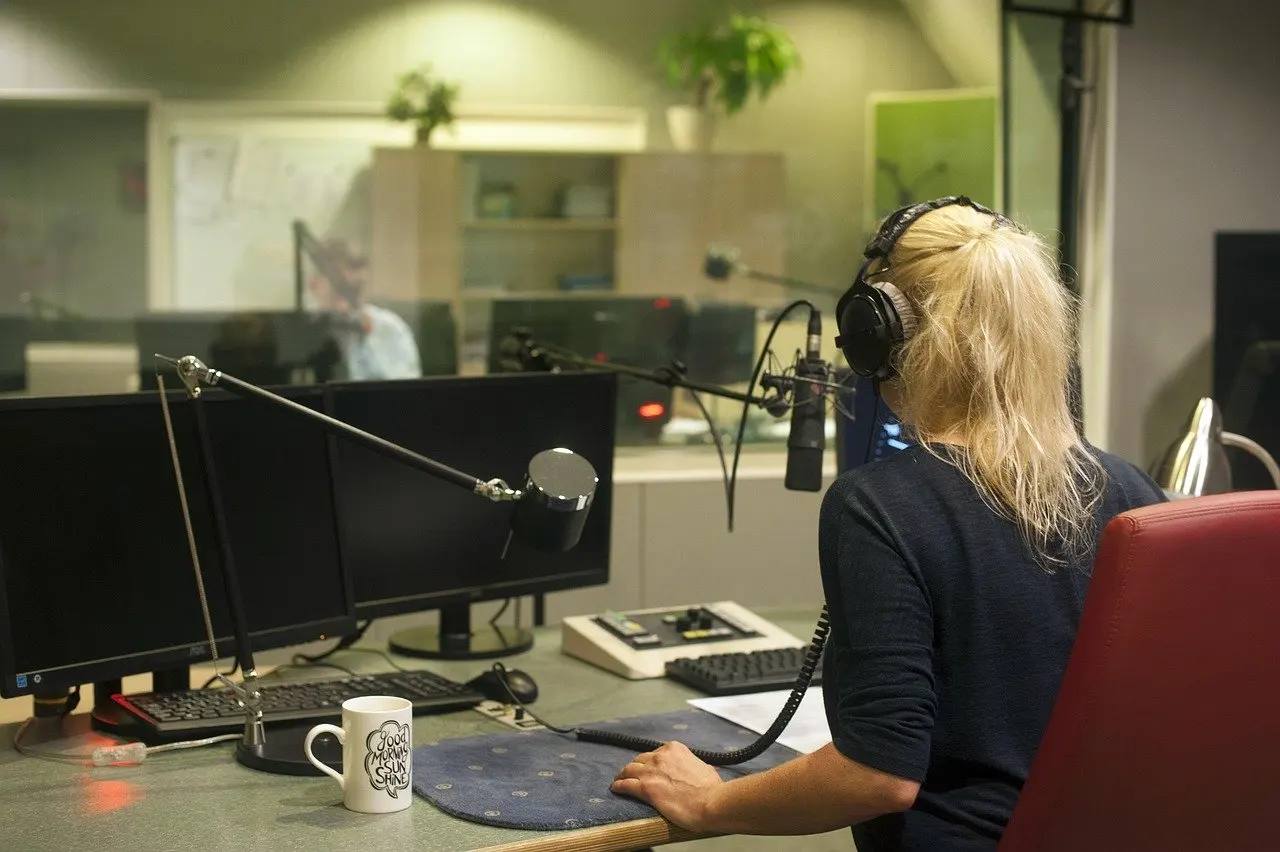
Audio is the natural outlet for oral history because the recording is already the finished material. A podcast gives you control of the schedule and the format. How to start a local community podcast walks through that route. Local radio, where a station exists, offers a ready audience and a regular slot, though it also brings someone else’s schedule and rules.
Blogs, archives and documentaries
Written and visual formats suit different strengths. A blog is cheap, searchable and flexible, and how to start a local history blog covers how to keep one going without running out of material. A short film demands more coordination and more equipment, but it can be screened at a library or community event, which gives the project a public moment. If you want to go that way, how to make a community documentary sets out the process.
A useful rule is to start with the format whose production you can sustain for a full season, then add others as volunteers appear. Starting small and finishing is more valuable to a community than starting big and stalling.
Art, food and other shared stories
Stories do not have to be spoken. Paint on a wall and recipes on a page also record who a community is, and both draw in people who would never sit for an interview. They suit different temperaments, so the choice again depends on what your group likes doing.
Murals
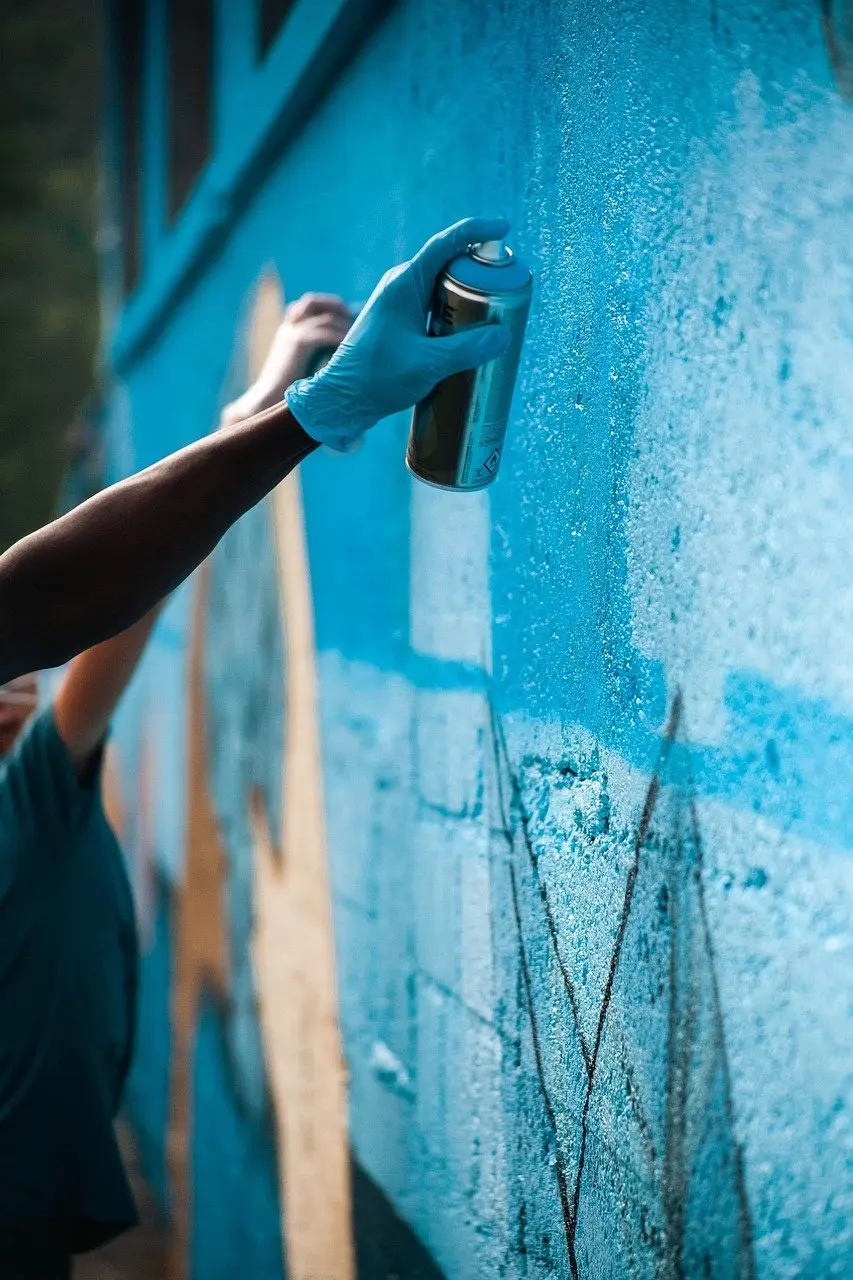
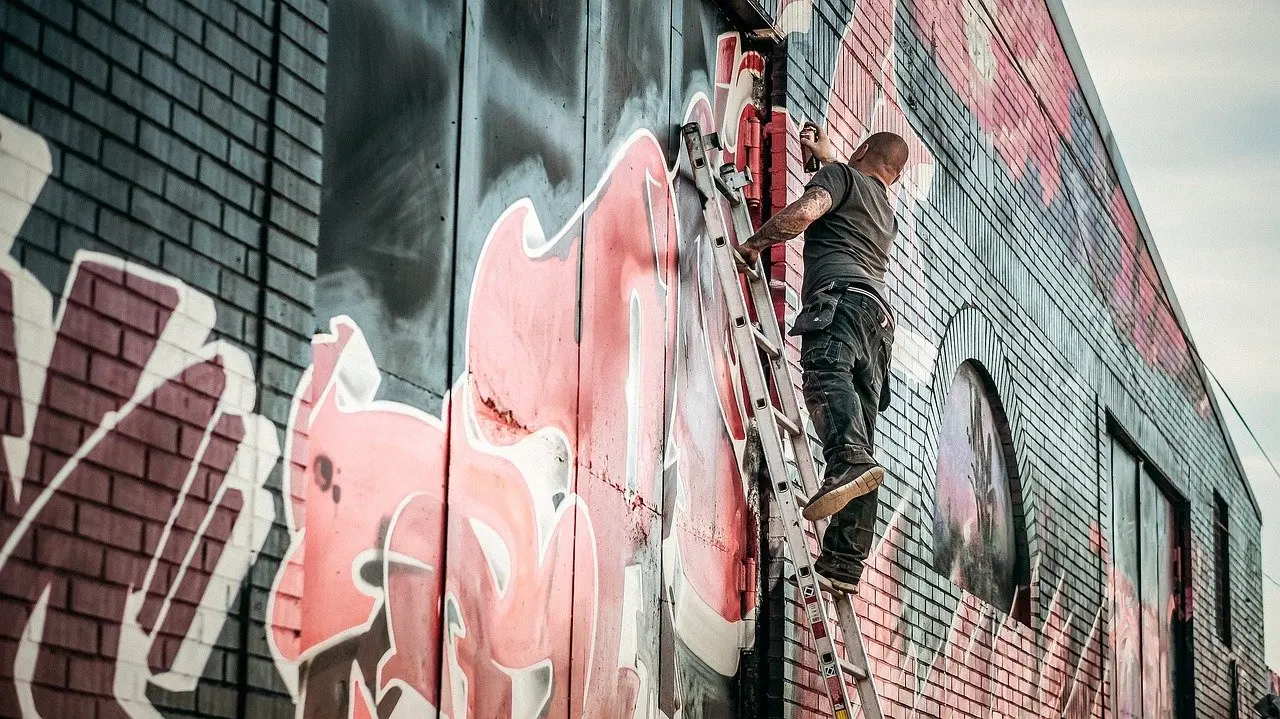
A mural gives a story a public face that passers-by see daily. It suits groups with an artist or two, a willing wall owner and enough volunteers to share the work. It is a poor first project for a group with no one to coordinate permissions and materials, because the work is visible to everyone and difficult to undo. The guide on how to organize a community mural project gives the sequence in order.
Community cookbooks
Food is one of the easiest ways to invite a story. A recipe arrives with a person, a family and a reason for being cooked, so a cookbook collects small memories without asking anyone to be interviewed. It suits groups that want a lasting printed or shared object and have residents willing to contribute from their own kitchens. How to make a community cookbook explains how to gather the recipes and the stories behind them.
Taking part in your local arts and music scene
To get involved in local arts in your city, start by attending, then pick one thing to help with regularly. The route into a scene is rarely a formal application. It is usually showing up, becoming familiar and offering a small, specific skill. The walkthrough on how to get involved in your local arts community sets out the options in more detail, including how to match your interests to what groups need.
Find what is already happening
Before starting anything, learn what exists. Festivals, concerts, open mics, exhibitions and library programs are all points of entry, and attending a few shows you who runs them and how welcoming they are to newcomers. The guide on how to find local cultural events lists the places to look. Notice which groups seem short of helpers, because those are the ones where an offer of time will be most welcome.
Volunteer where hands are needed
Volunteering gives a faster way in than waiting to be invited. Events need people to set up, welcome guests, run a table, carry equipment and clear up, and none of those tasks require artistic skill. A volunteer who turns up reliably quickly becomes someone organizers trust with larger roles. Choose tasks that match your energy: front-of-house work suits sociable people, while setup and logistics suit those who prefer working quietly in the background.
Use your neighborhood association
A neighborhood association is a practical partner when your project is tied to a place. Bring a clear proposal: what you want to do, what you need from them (a meeting slot, a mailing list mention, a hall) and what the neighborhood will get. A concrete request is easier to approve than a general enthusiasm. If the association is already running events, offering help with an existing one is often a better opening than suggesting a new one.
Join or start a music group
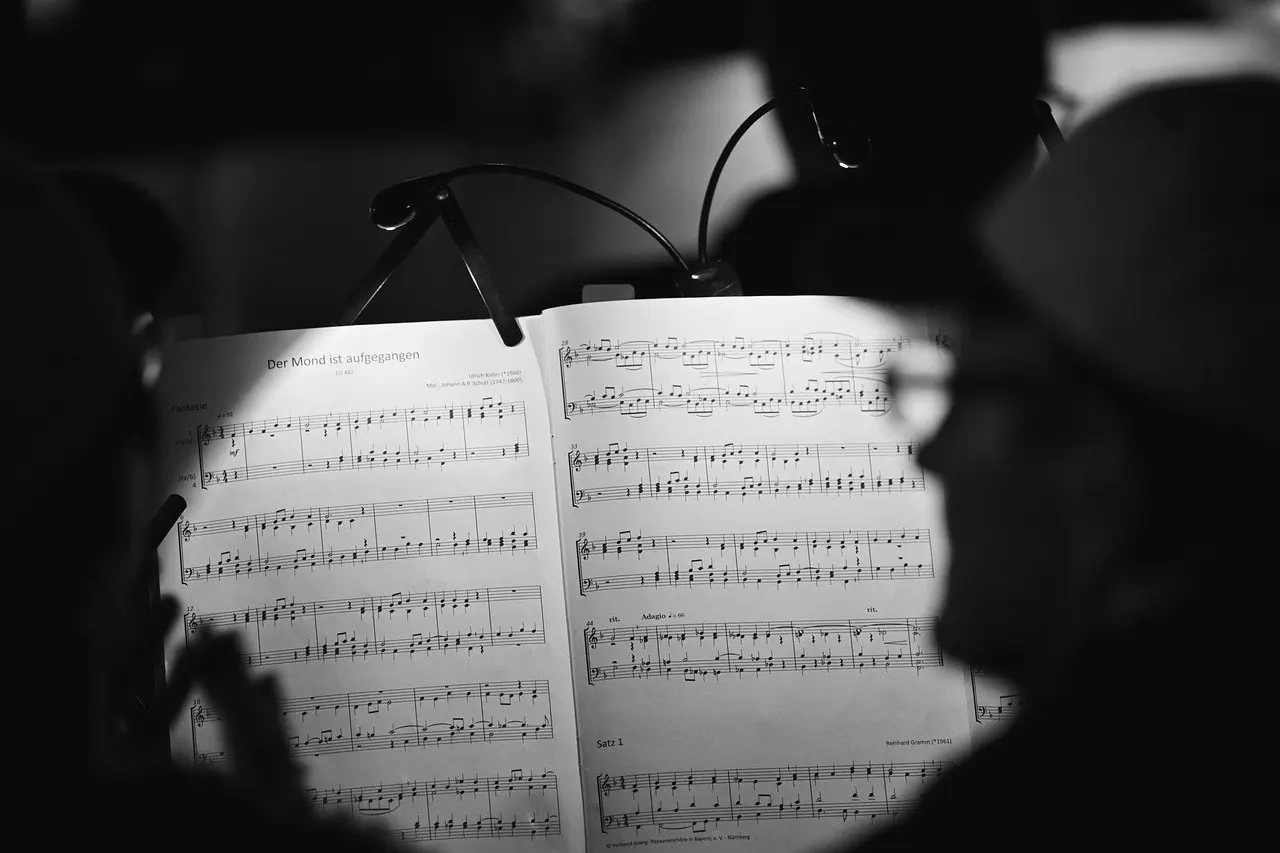
Music groups are among the easiest community activities to join because the activity itself is the welcome. If your area has no group matching your interest, starting one is realistic with a venue, a regular time and a few interested people. The guide to how to start a community choir covers venue, repertoire and recruiting, and the same principles apply to other kinds of ensemble.
Community radio as a way in
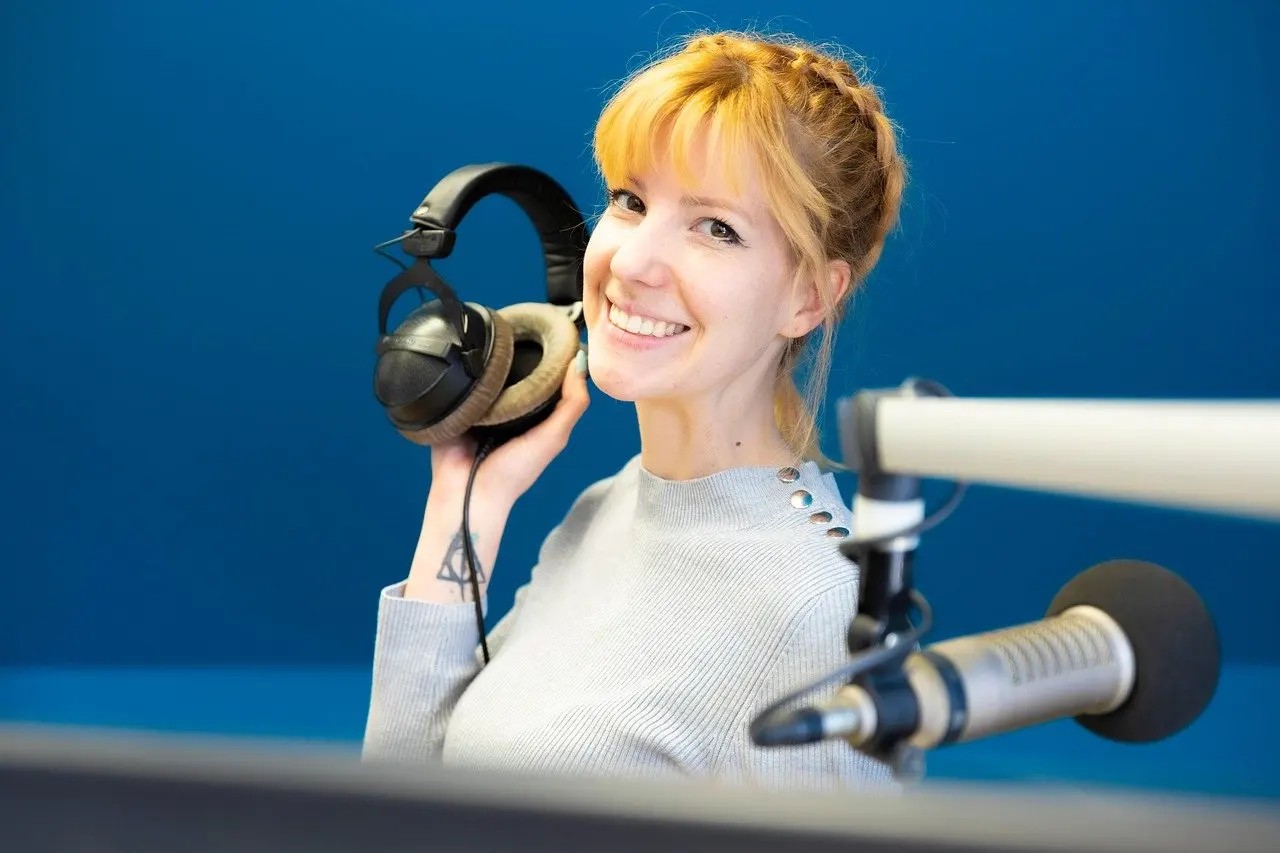
If your area has a community radio station, ask about its volunteer opportunities. Broadcasting offers a way to share local music and local voices with people who cannot attend in person. Presenting is only one part of the work, so ask about production and research roles too.
The biggest single step is the first attendance. After that, a routine of turning up does most of the work of building relationships. Those relationships are the real community that music and stories help to form.
Funding and support
Most small projects can begin with little money, but some need support for equipment, venue hire, printing or materials. Public arts funders are one source. The Greenway oral history workshop, for example, was supported by 4Culture and developed with oral history experts, showing that arts funding can support story-collecting work as well as performances and visual art.
Look for your own local or national arts council and check what community-focused programs it runs and who is eligible. Many funders prefer a project with a clear public outcome, such as an event, an exhibition or a published collection, so describe what residents will see or hear at the end. Partner organizations such as libraries and neighborhood associations strengthen an application because they show local support, and they sometimes act as the applicant when a small group cannot.
If your first choice does not fit
Not every path suits every person or neighborhood. These adjustments keep momentum when the first plan stalls.
- No one will agree to an interview. Shift to a lower-pressure format such as a cookbook or an event where people tell stories voluntarily, and return to interviews once trust has grown.
- No group matches your instrument or voice. Start small with a few interested neighbors rather than waiting for a formal organization, and use a library room or association hall.
- You have enthusiasm but little time. Volunteer for a defined task at an existing event instead of launching a project that needs weekly effort.
- Recordings are piling up with nowhere to go. Pause new interviews, organize and back up what you have, and arrange a public sharing moment so the work reaches residents.
- Your area already has a strong scene. Document it. Interviews with long-time performers and organizers are a contribution that existing groups often lack the time to make.
Communities that combine participation, documentation and sharing tend to be the ones whose cultural life lasts, because new people can find both a way in and a record of what came before.
Frequently asked questions
Does making music with others improve well-being?
Evidence points that way. MusiCare cites a 2021 literature review concluding that what people perceive as good music contributes significantly to psychological well-being. The same page says joining a local choir or similar group could make you happier, though that is a possibility rather than a guarantee.
Which music groups suit complete beginners?
MusiCare names a local choir, a guitar or ukulele club, a drumming circle and a recorder club as options to join. Pick whichever has a regular meeting time near you, and ask the organizer whether newcomers are welcome before the first session.
Do I need a group or an organization to start recording stories?
No. Reliable microphones start from about $30 according to the Mountains to Sound Greenway guidance, so a person with a few willing interviewees can begin. A library, community center or neighborhood association becomes useful once you want a room, an audience or a permanent home for the recordings.